Bill · S. 2880· Senate(119-S-2880)
Great Lakes Mass Marking Program Act of 2025
- Introduced
- 9/18/2025
- Last activity
- 9/18/2025 — Read twice and referred to the Committee on Environment and Public Works.
- Sponsored by
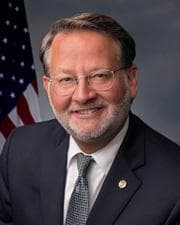
- Gary Peters
- Cosponsors
- - 0 - 1
- Introduced
- In Committee
What this bill would do
This bill creates the Great Lakes Mass Marking Program within the United States Fish and Wildlife Service. The program uses automated technology to tag hatchery-produced fish to help manage Great Lakes fisheries. It aims to provide data on the balance between hatchery and wild fish and the effectiveness of management actions. The Director will work with Federal, State, and Tribal agencies to carry out these goals. The bill authorizes $5,000,000 annually from 2026 through 2030 to fund the program.
Yes· 3 of 13
Would Native Americans be better off under this?+5
Explicitly includes and supports the economic status of Tribal fisheries.
Does this better protect air, water and wildlife?+4
Supports native species recovery and habitat restoration in the Great Lakes.
Does this put more money into scientific research?+4
Establishes a science-based program using automated technology for fishery research.
The opposite
Does this reduce what the federal government owes?-1
The bill authorizes new federal spending of $5 million annually.
Does this reduce what the federal government spends?-1
The bill increases government spending by establishing a new funded program.
Who it would affect, and how
Potential Positive Impacts for People
-
Support for Fisheries: The program supports native species recovery as well as recreational and commercial fishing (Section 2).
-
Economic Stability: The Great Lakes support a regional economy valued at over $7,000,000,000, and this program supports that resource (Section 2).
-
Improved Fisheries Management: By making data available, the program helps improve the economic status of Tribal, recreational, and commercial fisheries (Section 4(d)).
-
Environmental Restoration: The program provides data to help meet restoration objectives and evaluate habitat restoration efforts in the Great Lakes (Section 4(d)).
Potential Negative Impacts for People
- No negative impacts for people are explicitly mentioned in the provided text.
Groups and Interests Ranking
Every group the model scored this bill for, from -10 to +10. Hover a score for the reason it gave.
- Demographic And Interest Groups
- Good For Native Americans+5Good For Business Owners+3Good For Rural Residents+3
- Environment Energy And Infrastructure
- Improves Environmental Protections+4Improves Public Land Management+3Improves Rural Development+2
- Education And Technology
- Increases Scientific Research Funding+4
- Economy And Finance
- Improves Economic Growth+2Improves Small Business Support+2Increases Job Creation+1Reduces Government Spending-1Reduces National Debt-1
- Governance And Ideology
- Improves Government Transparency+1Improves Interstate Commerce+1Increases Federal Power+1
- 9/18/2025
- Read twice and referred to the Committee on Environment and Public Works.
- 1 Cosponsor added.
- Introduced in Senate
One bill Congress.gov lists as related to this one — companions in the other chamber, earlier versions, and bills this one absorbed or was folded into.
 Jon Husted
Republican · Ohio