Bill · S. 2825· Senate(119-S-2825)
Health Access Innovation Act of 2025
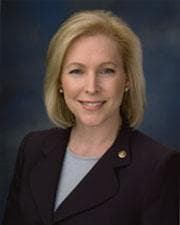
- Introduced
- 9/16/2025
- Last activity
- 9/16/2025 — Read twice and referred to the Committee on Health, Education, Labor, and Pensions.
- Sponsored by
- Kirsten Gillibrand
- Cosponsors
- - 3 - 0
- Introduced
- In Committee
What this bill would do
This bill is known as the Health Access Innovation Act of 2025. It allows the Secretary of Health and Human Services to give grants to faith-based or community-based organizations. These grants are meant to address persistent health inequities and chronic disease challenges. Eligible groups must be located in medically underserved communities or health professional shortage areas. The bill authorizes specific amounts of money to be appropriated each year from fiscal year 2026 through fiscal year 2030.
Yes· 3 of 29
Would households on low incomes be better off under this?+7
Low-income households in medically underserved communities are the primary beneficiaries of these health grants.
Does this make health care easier to get in general?+7
The bill directly provides grants to faith- and community-based organizations to expand access to medical services and preventive care in underserved communities.
Would immigrants be better off under this?+6
The bill explicitly provides for culturally and linguistically appropriate services that aid immigrants in accessing care.
The opposite
Does this reduce what the federal government spends?-1
The bill authorizes new appropriations totaling millions of dollars between fiscal years 2026 and 2030.
Who it would affect, and how
Potential Positive Impacts for People
-
Under section 399V-8(a)(1), grants can be used to pay for necessary medical services, health screenings, tests, and other preventive services. This could benefit individuals by helping them access medical care and screenings they might not otherwise afford or receive.
-
Under section 399V-8(a)(2), grants can expand access to care by increasing the diversity of types of health workers, providing culturally and linguistically appropriate services, and addressing social determinants of health. This is positive because it helps people receive care that fits their language and cultural needs.
-
Under section 399V-8(a)(3), funding supports community health navigators, community health workers, peer support specialists, and other health professionals who work with faith- or community-based organizations. This could positively impact people by connecting them with trusted messengers who have lived experiences to help them access care.
Potential Negative Impacts for People
- The provided text does not contain any specific sections or provisions outlining negative consequences or burdens for individuals or groups of people in the United States.
Groups and Interests Ranking
Every group the model scored this bill for, from -10 to +10. Hover a score for the reason it gave.
- Demographic And Interest Groups
- Good For Low Income Households+7Good For Immigrants+6Good For Rural Residents+6Good For African Americans+5Good For Hispanic Americans+5Good For Native Americans+5Good For Seniors+5Good For Asian Americans+4Good For Middle Aged+4Good For People With Disabilities+4Good For Retirees+4Good For Urban Residents+4Good For Women+4Good For Children+3Good For Farmers+3Good For Men+3Good For Veterans+3Good For Young Adults+3Good For L G B T Q Community+2Good For Middle Class Households+2Good For White Americans+2
- Healthcare
- Improves Healthcare Access+7Improves Mental Health Access+4
- Social Issues And Justice
- Improves Racial Equity+5Improves Poverty Reduction+3Improves Religious Freedom+3
- Environment Energy And Infrastructure
- Improves Rural Development+3
- Economy And Finance
- Increases Job Creation+2Reduces Government Spending-1
- Governance And Ideology
- Increases Federal Power+1
- 2/3/2026
- 1 Cosponsor added.
- 9/16/2025
- Read twice and referred to the Committee on Health, Education, Labor, and Pensions.
- 2 Cosponsors added.
- Introduced in Senate
One bill Congress.gov lists as related to this one — companions in the other chamber, earlier versions, and bills this one absorbed or was folded into.
 Angela Alsobrooks
Democrat · Maryland
 Cory Booker
Democrat · New Jersey
 Alex Padilla
Democrat · California