Bill · S. 2722· Senate(119-S-2722)
Taiwan Energy Security and Anti-Embargo Act of 2026
- Introduced
- 9/4/2025
- Last activity
- 2/10/2026 — Placed on Senate Legislative Calendar under General Orders. Calendar No. 325.
- Sponsored by
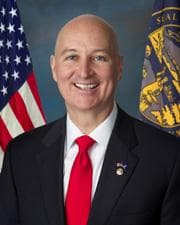
- Pete Ricketts
- Cosponsors
- - 2 - 2
- Introduced
- On Calendar
What this bill would do
The Taiwan Energy Security and Anti-Embargo Act of 2026 aims to strengthen Taiwan's energy security and resilience. It encourages the export of United States energy resources and technologies to Taiwan and suggests redirecting some liquefied natural gas exports from the People's Republic of China to Taiwan. The bill proposes cooperation on energy infrastructure protection, including cybersecurity and physical security. It also expresses the sense of Congress that Taiwan should consider maintaining and utilizing nuclear energy. Additionally, it allows for insurance for vessels transporting vital goods to Taiwan and other strategic partners facing coercive maritime threats.
Yes· 3 of 12
Does this strengthen ties with allied countries?+8
Strengthens bilateral economic and security ties with Taiwan, a vital democratic partner.
Does this better protect the country from computer attacks?+7
Provides for cooperation to enhance cybersecurity for grid systems and storage terminals in Taiwan.
Does this favour talking over confrontation abroad?+7
Promotes diplomatic and technical support to facilitate energy exports and resilience.
The opposite
Does this reduce how much oil, gas and coal is produced?-4
Prioritizes and facilitates the export of liquefied natural gas (fossil fuel).
Who it would affect, and how
Potential Positive Impacts for People
-
Economic Growth and Job Creation: Promoting energy exports and cooperation on nuclear energy is intended to improve technology exports and create jobs within the United States (Section 5(b)(2)).
-
Increased Energy Reliability for Taiwan: By prioritizing energy exports and diversifying energy sources, the bill seeks to reduce Taiwan's vulnerability to energy disruptions or coercion (Section 3, Sec. 5540B(a)).
-
Enhanced Infrastructure Protection: The bill allows for cooperation to improve cybersecurity for grid operating systems and energy storage terminals, as well as physical security and emergency response planning (Section 3, Sec. 5540C(b)).
-
Academic and Professional Collaboration: The potential establishment of a United States-Taiwan Energy Security Center would foster dialogue and academic cooperation in energy resilience (Section 3, Sec. 5540C(c)).
-
Protection of Vital Commerce: The Secretary of Transportation may provide insurance for vessels carrying critical energy or humanitarian goods to strategic partners facing coercive maritime threats, which supports vital strategic commerce (Section 6(d)(1)).
Potential Negative Impacts for People
- No negative impacts for individuals or groups of people in the United States are explicitly mentioned in the provided text.
Groups and Interests Ranking
Every group the model scored this bill for, from -10 to +10. Hover a score for the reason it gave.
- National Security And Foreign Policy
- Improves International Alliances+8Improves Cybersecurity Defense+7Improves Diplomatic Engagement+7Improves International Trade+6Increases Foreign Aid+3
- Demographic And Interest Groups
- Good For Business Owners+6Good For Asian Americans+3Good For Students+2
- Economy And Finance
- Increases Job Creation+5Improves Economic Growth+4
- Education And Technology
- Increases Scientific Research Funding+4
- Environment Energy And Infrastructure
- Reduces Carbon Emissions+2Reduces Fossil Fuel Production-4
- 2/10/2026
- Committee on Foreign Relations. Reported by Senator Risch with an amendment in the nature of a substitute. Without written report.
- Placed on Senate Legislative Calendar under General Orders. Calendar No. 325.
- 1/29/2026
- Committee on Foreign Relations. Ordered to be reported with an amendment in the nature of a substitute favorably.
- 10/21/2025
- 1 Cosponsor added.
- 9/18/2025
- 1 Cosponsor added.
- 9/16/2025
- 1 Cosponsor added.
- 9/4/2025
- Read twice and referred to the Committee on Foreign Relations.
- 1 Cosponsor added.
- Introduced in Senate
One bill Congress.gov lists as related to this one — companions in the other chamber, earlier versions, and bills this one absorbed or was folded into.
 Ted Budd
Republican · North Carolina
 Christopher Coons
Democrat · Delaware
 John Hickenlooper
Democrat · Colorado
 John Hoeven
Republican · North Dakota