Bill · S. 2555· Senate(119-S-2555)
Student Visa Integrity Act of 2025
- Introduced
- 7/30/2025
- Last activity
- 7/30/2025 — Read twice and referred to the Committee on the Judiciary.
- Sponsored by
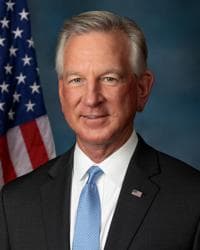
- Tommy Tuberville
- Cosponsors
- None
- Introduced
- In Committee
What this bill would do
The Student Visa Integrity Act of 2025 aims to improve student and exchange visitor visa programs through stricter oversight. It increases criminal penalties for fraud and requires academic institutions to obtain specific accreditation. The bill introduces new disclosure requirements regarding affiliations with the Government of the People's Republic of China. It also implements stricter eligibility reviews for program officials and creates new restrictions on specific fields of study. Additionally, the act establishes new rules for employment and limits the amount of online education allowed for student status.
Yes· 3 of 4
Does this tighten control of the border?+2
The bill enhances oversight and tracking of nonimmigrant students through SEVIS II and stricter eligibility reviews.
Does this strengthen the rights of workers to organise?+1
The bill requires employers to attest that student employment terms are commensurate with those of U.S. workers.
Does this make what the government does easier for the public to see?+1
The bill requires institutions to disclose financial ties and affiliations with the Government of the People's Republic of China.
The opposite· 3 of 8
Would students be better off under this?-6
The bill limits the ability of students to change majors, transfer institutions, or utilize online education.
Would immigrants be better off under this?-5
The bill imposes significant restrictions on visa eligibility, changes of major, and the total length of stay for nonimmigrants.
Does this make it easier for immigrants already here to become citizens?-3
The bill introduces more restrictive visa terms and higher barriers for students seeking to remain or change status.
Who it would affect, and how
Potential Positive Impacts for People
-
Increased Accountability for Fraud: By increasing criminal penalties to 15 years for certain offenses committed by institution officials, the bill targets those who might abuse the system (Section 3).
-
Enhanced Security Through Accreditation: Requiring academic institutions and language training programs to be accredited by agencies recognized by the Secretary of Education can ensure higher standards (Section s 4).
-
Improved Oversight of Program Officials: Requiring thorough eligibility reviews, including criminal and sex offender history checks, aims to ensure that those managing student programs are not a risk to public safety or national security (Section 9).
-
Stricter Employment Rules: Requelations for employers to report position details and wage information, alongside requirements to attest they are not replacing U.S. workers, aims to protect the domestic workforce (Section 9).
-
Modernized Tracking Systems: The deployment of SEVIS II aims to create a paperless, person-centric recordkeeping system to better track nonimmigrant students (Section 21).
-
Protection Against Human Trafficking: Requiring consular officers to review a pamphlet on protections for domestic workers and other nonimmigrants before issuing visas provides important information to applicants (Section 23).
Potential Negative Impacts for People
-
Burdens on Institutions via Accreditation: Academic institutions, language programs, and those seeking specific visa statuses must now meet strict accreditation requirements, which may involve waivers that only last one year at a time (Section 4).
-
Financial Burdens for Institutions: Educational institutions may be required to pay fees for eligibility reviews conducted by the Secretary (Section 9) and fees to recover the costs of implementing and maintaining SEVIS II (Section 21).
-
Strict Restrictions on Foreign Nationals: Citizens of certain countries, including China, Cuba, Iran, North Korea, Russia, and Venezuela, may face a denial of visas for higher education (Section 15).
-
Limitations on Specific Fields of Study: Individuals from certain countries may be denied visas if they seek to participate in coursework related to nuclear science, nuclear engineering, or flight training (Section 14).
-
Restrictions on Student Flexibility: The bill prohibits transfer students from receiving certain documents (Section 9) and prevents students from changing their program of study or intended major (Section 9).
-
Limitations on Online Learning: Students are restricted in how much of their program can be completed through online or distance education (Section 17).
-
Employment Restrictions: Certain employers may face penalties or limitations on their ability to employ students if they fail to meet specific reporting or attestation requirements (Section 9).
Groups and Interests Ranking
Every group the model scored this bill for, from -10 to +10. Hover a score for the reason it gave.
- Demographic And Interest Groups
- Good For Students-6Good For Immigrants-5Good For Low Income Households-2
- Economy And Finance
- Improves Union Protections+1Improves Small Business Support-2Increases Job Creation-2
- Education And Technology
- Improves College Affordability-2Increases Public School Funding-1
- Governance And Ideology
- Improves Government Transparency+1
- National Security And Foreign Policy
- Improves Cybersecurity Defense+1
- Social Issues And Justice
- Improves Border Security+2Improves Pathway To Citizenship-3
- 7/30/2025
- Read twice and referred to the Committee on the Judiciary.
- Introduced in Senate
One bill Congress.gov lists as related to this one — companions in the other chamber, earlier versions, and bills this one absorbed or was folded into.