Bill · H.R. 7063· House(119-HR-7063)
Student Visa Integrity Act of 2026
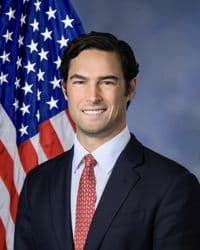
- Introduced
- 1/14/2026
- Last activity
- 1/14/2026 — Referred to the Committee on the Judiciary, and in addition to the Committee on Education and Workforce, for a period to be subsequently determined by the Speaker, in each case for consideration of such provisions as fall within the jurisdiction of the committee concerned.
- Sponsored by
- Brandon Gill
- Cosponsors
- - 3 - 0
- Introduced
- In Committee
What this bill would do
The Student Visa Integrity Act of 2026 aims to improve student and exchange visitor visa programs through stricter oversight and increased penalties. It introduces mandatory accreditation requirements for academic institutions and language training programs. The bill increases criminal penalties for certain offenses related to these programs and mandates stricter disclosure of financial ties to the Government of the People's Republic of China. It also implements new eligibility reviews for program officials and places restrictions on certain nationalities regarding flight training and nuclear studies. Additionally, the Act establishes new rules for online education limits and employer reporting requirements.
Yes· 3 of 4
Does this tighten control of the border?+3
The bill implements stricter oversight, mandatory background checks, and enhanced tracking of nonimmigrant students.
Does this make what the government does easier for the public to see?+2
The bill requires the publication of a list of institutions granted accreditation waivers.
Does this strengthen the rights of workers to organise?+2
The bill requires employers of alien students to attest that they are not replacing US workers.
The opposite· 3 of 7
Would immigrants be better off under this?-6
The bill denies visas to citizens of several specific countries and places stricter limits on stay durations.
Would students be better off under this?-5
The bill creates significant restrictions on study programs, careers, and the ability to change majors.
Would people in their twenties and thirties be better off under this?-4
The bill imposes limits on the length of stay and restricts changes to a student's major or program.
Who it would affect, and how
Potential Positive Impacts for People
-
Increased Criminal Penalties: The bill increases the prison sentence to 15 years for offenses committed by owners or officials of educational institutions regarding program participation, which could serve as a deterrent against misconduct (Section 3).
-
Accreditation Requirements: By requiring institutions and language programs to be accredited by an agency recognized by the Secretary of Education, the bill aims to ensure academic standards (Section 4).
-
Enhanced Background Checks: The mandate for thorough eligibility reviews, including criminal and sex offender history, intends to ensure that program officials do not pose a risk to public safety or national security (Section 9).
-
Protection Against Economic Threat: The bill includes restrictions on students from certain countries seeking specific careers, such as nuclear science or flight training, to address potential national security concerns (Section 14).
-
Standardized Recruitment: The implementation of rules and standards for direct and third-party promoters is intended to oversee the promotion and recruitment of students (Section 9).
-
Improved Recordkeeping: The deployment of "SEVIS II" aims to create a paperless, person-centric system to better track and unify information about nonimmigrant students (Section 21).
Potential Negative Impacts for People
-
Increased Penalties and Sanctions: Educational institutions face significant burdens, including monetary fines of at least $1,000, suspension of authority to issue documents, or termination of approval for failing to comply with reporting requirements (Section 7).
-
Restrictions on Study and Careers: Certain nationals face denials of visas or termination of status if they seek coursework in the energy sector of Iran, nuclear science, or flight training (Section 14).
-
Exclusion of Certain Nationalities: The bill denies visas to citizens of specific countries, including China, Cuba, Iran, North Korea, Russia, and Venezuela, when they seek to participate in higher education (Section 15).
-
Strict Stay Limitations: The bill imposes specific limits on the length of stay for various groups, such as a 2-year aggregate limit for language study and a 1-year limit for public high school students (Section 16).
-
Employment Restrictions: Employers face new requirements to report specific details, such as wage and work location, and face penalties that could prevent them from hiring certain students if they fail to comply (Section 9).
-
Academic Flexibility Reductions: Students are prohibited from changing their program of study or intended major once reported on their Form I-20 (Section 9).
-
Increased Costs for Institutions: Academic institutions may be required to pay fees for the eligibility reviews of their officials (Section 9) and to recover the costs of implementing the SEVIS II system (Section 21).
Groups and Interests Ranking
Every group the model scored this bill for, from -10 to +10. Hover a score for the reason it gave.
- Demographic And Interest Groups
- Good For Immigrants-6Good For Students-5Good For Young Adults-4Good For Business Owners-3
- Education And Technology
- Improves College Affordability-2
- Governance And Ideology
- Improves Government Transparency+2
- National Security And Foreign Policy
- Improves Cybersecurity Defense+1
- Economy And Finance
- Improves Union Protections+2Improves Small Business Support-2
- Social Issues And Justice
- Improves Border Security+3Improves Pathway To Citizenship-3
- 5/21/2026
- 1 Cosponsor added.
- 1/14/2026
- Referred to the Committee on the Judiciary, and in addition to the Committee on Education and Workforce, for a period to be subsequently determined by the Speaker, in each case for consideration of such provisions as fall within the jurisdiction of the committee concerned.
- 2 Cosponsors added.
- Introduced in House
One bill Congress.gov lists as related to this one — companions in the other chamber, earlier versions, and bills this one absorbed or was folded into.
 Mike Collins
Republican · Georgia
 Barry Moore
Republican · Alabama
 Troy Nehls
Republican · Texas