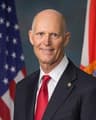
Rick Scott (R-FL)
Trusted Foreign Auditing Act of 2025
A Republican bill with no cosponsors
Last activity — Read twice and referred to the Committee on Banking, Housing, and Urban Affairs.
In committee
Introduced and handed to a committee in the chamber it started in.
The committee holds it, and most bills are never heard from again. A hearing or a committee vote would be news; silence is the usual outcome, and it kills the bill without anyone voting against it.
Its path through Congress
- Introduced
- In Committee
What this bill would do
The "Trusted Foreign Auditing Act of 2025" amends the Sarbanes-Oxley Act of 2002 to include provisions regarding foreign jurisdictions that may hinder inspections of registered public accounting firms. It defines "compromised auditor" and "covered country" to identify situations where a foreign entity could compromise the objectivity of auditing services. It also stipulates trading prohibitions for covered issuers headquartered in covered countries that retain a compromised auditor.
Yes· 3 of 7
- Scored +2
Does this give people more protection from unfair business practices?
The bill aims to protect investors and the public by ensuring the integrity of financial audits.
- Scored +2
Does this make what the government does easier for the public to see?
The bill's requirement for public hearings under certain conditions increases transparency in the auditing process.
- Scored +1
Is this likely to grow the economy?
By preventing fraud and financial mismanagement, the bill can help improve the stability and health of the economy.
The opposite
No question was scored the opposite.
Who it would affect, and how
Potential Positive Impacts for People
-
This bill aims to protect investors by ensuring the integrity of financial audits, especially when foreign entities are involved. This is positive because it can help prevent fraud and financial mismanagement, which can harm individuals' investments and the overall economy. This is related to Section 2.
-
The bill calls for public hearings under certain conditions, specifically when a compromised auditor is involved. This is good because it can increase transparency and accountability in the auditing process, which can help the public better understand potential risks. This is related to Section 3.
Potential Negative Impacts for People
- The bill could potentially lead to increased compliance costs for companies that operate internationally, as they may need to conduct additional due diligence to ensure their auditors are not considered "compromised." This could indirectly affect consumers through higher prices or reduced investment. This is related to Section 2.
Groups and Interests Ranking
Every group the model scored this bill for, from -10 to +10. Tap or hover a score for the reason it gave.
- Economy And Finance
- Does this give people more protection from unfair business practices? — The bill aims to protect investors and the public by ensuring the integrity of financial audits. Is this likely to grow the economy? — By preventing fraud and financial mismanagement, the bill can help improve the stability and health of the economy. Does this make the government pay for what it commits to? — By ensuring the integrity of financial audits, the bill can help improve fiscal responsibility.
- Demographic And Interest Groups
- Would households on low incomes be better off under this? — The bill's measures to prevent financial fraud can protect the investments and financial well-being of low-income households. Would middle-income households be better off under this? — The bill's measures to prevent financial fraud can protect the investments and financial well-being of middle-class households. Would retired people be better off under this? — The bill's measures to prevent financial fraud can protect the investments and retirement savings of retirees.
- Governance And Ideology
- Does this make what the government does easier for the public to see? — The bill's requirement for public hearings under certain conditions increases transparency in the auditing process.
- 7/22/2025
- Read twice and referred to the Committee on Banking, Housing, and Urban Affairs.
- Introduced in Senate
One bill Congress.gov lists as related to this one — companions in the other chamber, earlier versions, and bills this one absorbed or was folded into.