Bill · S. 2051· Senate(119-S-2051)
Choice Neighborhoods Initiative Act of 2025
- Introduced
- 6/12/2025
- Last activity
- 6/12/2025 — Read twice and referred to the Committee on Banking, Housing, and Urban Affairs.
- Sponsored by
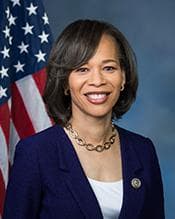
- Lisa Blunt Rochester
- Cosponsors
- - 5 - 0
- Introduced
- In Committee
What this bill would do
The Choice Neighborhoods Initiative Act of 2025 authorizes the Department of Housing and Urban Development to provide competitive grants to transform neighborhoods suffering from extreme poverty and severely distressed housing. The goal is to create sustainable, mixed-income neighborhoods by revitalizing housing and improving access to economic opportunities, education, and public transportation. Transformation plans must include activities like housing rehabilitation or demolition/replacement, economic self-sufficiency programs, and supportive services. The bill requires a one-for-one replacement of any demolished public or assisted housing units. Additionally, the Act mandates specific protections for residents, including a right to return to the revitalized areas.
Yes· 3 of 26
Would households on low incomes be better off under this?+8
The bill specifically targets extreme poverty and provides replacement housing and supportive services.
Does this make housing cost less?+8
The bill authorizes significant funding to revitalize and expand affordable housing opportunities.
Is this likely to lift people out of poverty?+7
The initiative focuses on transforming neighborhoods of extreme poverty through economic and housing improvements.
The opposite
No question was scored the opposite.
Who it would affect, and how
Potential Positive Impacts for People
-
Housing Revitalization and Expansion: The bill allows for the transformation of housing through rehabilitation, preservation, or demolition and replacement to address severely distressed housing (Section 6(b)(1)).
-
Economic Opportunities and Self-Sufficiency: Grants can fund activities that promote economic self-suficiency for residents and their surrounding neighborhoods (Section 6(b)(3)). This includes work incentives and partnerships with employers to create job training opportunities (Section 6(c)(6-7)).
-
Supportive Services: The Act provides for supportive services such as literacy training, job training, daycare, and mental health services to improve quality of life (Section 2(17)(A)).
-
Right to Return and Relocation Protections: Residents displaced by transformation plans have a right to return to on-site or off-site replacement housing (Section 8(c)). They are also entitled to relocation assistance, which can include moving costs and security deposits (Section 6(b)(11)).
-
Improved Infrastructure and Access: The bill aims to improve access to essential services such as public transportation, educational opportunities, and community facilities (Section 7(a)(1)).
Potential Negative Impacts for People
-
Displacement during Transformation: The transformation process involves the demolition or disposition of existing housing, which necessitates the relocation of current residents (Section 6(b)(1), Section 8(d)).
-
Potential for Incomplete Replacement: While the bill requires a one-for-one replacement of units, the Secretary has the authority to reduce this requirement to not less than 90 percent under certain specific conditions (Section 9(b)(1)).
Groups and Interests Ranking
Every group the model scored this bill for, from -10 to +10. Hover a score for the reason it gave.
- Demographic And Interest Groups
- Good For Low Income Households+8Good For People With Disabilities+6Good For Urban Residents+6Good For Children+5Good For Seniors+4Good For Students+4Good For Business Owners+3Good For Middle Class Households+3Good For Retirees+3Good For Young Adults+3
- Social Issues And Justice
- Improves Affordable Housing+8Improves Poverty Reduction+7Improves Childcare Affordability+5Improves Disability Rights+5Improves Racial Equity+5Reduces Homelessness+3
- Environment Energy And Infrastructure
- Improves Public Transit+5Improves Environmental Protections+3Reduces Carbon Emissions+2
- Economy And Finance
- Increases Job Creation+5Improves Economic Growth+3
- Governance And Ideology
- Improves Government Transparency+4Increases Federal Power+3
- Healthcare
- Improves Mental Health Access+4Improves Healthcare Access+3
- Education And Technology
- Increases Public School Funding+4
- 9/30/2025
- 1 Cosponsor added.
- 7/21/2025
- 1 Cosponsor added.
- 7/14/2025
- 1 Cosponsor added.
- 7/9/2025
- 1 Cosponsor added.
- 6/12/2025
- Read twice and referred to the Committee on Banking, Housing, and Urban Affairs.
- 1 Cosponsor added.
- Introduced in Senate
One bill Congress.gov lists as related to this one — companions in the other chamber, earlier versions, and bills this one absorbed or was folded into.
 Angela Alsobrooks
Democrat · Maryland
 John Fetterman
Democrat · Pennsylvania
 Timothy Kaine
Democrat · Virginia
 Ben Luján
Democrat · New Mexico
 Chris Van Hollen
Democrat · Maryland