Bill · S. 1561· Senate(119-S-1561)
SECURE Notarization Act of 2025
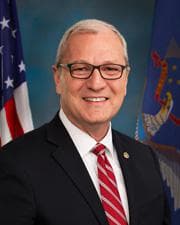
- Introduced
- 5/1/2025
- Last activity
- 5/1/2025 — Read twice and referred to the Committee on the Judiciary.
- Sponsored by
- Kevin Cramer
- Cosponsors
- - 1 - 3
- Introduced
- In Committee
What this bill would do
The SECURE Notarization Act of 2025 authorizes notary publics to perform electronic and remote notarizations for matters affecting interstate commerce. It sets minimum standards for these processes, including identity verification and audio-visual recording requirements. The bill requires Federal courts and individual States to recognize notarizations performed by officers from other States under specific conditions. While it establishes these new authorities, it does not force any notary to use electronic or remote methods. It also maintains State authority to regulate notary commissions and punish official misconduct.
Yes· 3 of 21
Does this make it easier to do business across state lines?+8
Directly mandates cross-state recognition of notarizations to streamline interstate business.
Would business owners be better off under this?+7
Greatly reduces friction for interstate commercial contracts and signatures.
Would people with disabilities be better off under this?+7
Remote notarization removes physical barriers to accessing notarial services.
The opposite
Does this protect people from being watched or searched?-3
Mandates the creation and storage of biometric-like audio-visual recordings.
Does this leave more decisions to the states?-2
Requires states to recognize notarizations from other states regardless of their own internal preferences.
Does this give people more control over their personal data?-2
Requires long-term retention of audio and visual recordings of remote notarizations.
Who it would affect, and how
Potential Positive Impacts for People
-
Increased Accessibility: Notaries can now perform notarizations for remotely located individuals using communication technology, making it easier for people to get documents notarized without being physically present (Section 4).
-
Interstate Ease: Federal courts must recognize notarizations from any State if they are valid in the officer's home State or under this Act (Section 5).
-
Cross-State Recognition: States are required to recognize notarizations from other States if they relate to public acts, records, judicial proceedings, or interstate commerce (Section 6).
-
Protection Against Deception: The bill prohibits notaries (who are not licensed attorneys) from using the term "notario" or claiming they can provide legal advice or immigration consulting, which helps protect people from false advertising (Section 10).
-
Legal Recourse: The Act ensures that people can still seek to invalidate a record based on fraud, forgery, impersonation, or lack of capacity, even if the notarization is recognized under this Act (Section 8).
Potential Negative Impacts for People
-
Privacy and Data Retention: Notaries are required to create and retain audio and visual recordings of remote notarizations for at least 5 to 10 years, depending on State law (Section 4).
-
Strict Requirements for Foreign Users: Individuals located outside the U.S. can only use these services if the record relates to U.S. jurisdiction or property, and provided the act is not prohibited by the law of the location where they are physically sitting (Section 4).
Groups and Interests Ranking
Every group the model scored this bill for, from -10 to +10. Hover a score for the reason it gave.
- Demographic And Interest Groups
- Good For Business Owners+7Good For People With Disabilities+7Good For Rural Residents+6Good For Immigrants+5Good For Retirees+5Good For Seniors+5Good For Billionaires+4Good For High Income Households+4Good For High Net Worth Individuals+4Good For Hispanic Americans+4Good For Middle Aged+4Good For Middle Class Households+4Good For Ultra High Net Worth Individuals+4Good For Young Adults+4Good For Low Income Households+3
- Economy And Finance
- Improves Consumer Protection+5Improves Small Business Support+4Improves Economic Growth+3
- Governance And Ideology
- Improves Interstate Commerce+8Increases Federal Power+3Improves Privacy Rights-3Increase States Rights-2
- Education And Technology
- Improves Data Privacy-2
- National Security And Foreign Policy
- Improves International Trade+2
- 5/12/2025
- 1 Cosponsor added.
- 5/8/2025
- 2 Cosponsors added.
- 5/1/2025
- Read twice and referred to the Committee on the Judiciary.
- 1 Cosponsor added.
- Introduced in Senate
One bill Congress.gov lists as related to this one — companions in the other chamber, earlier versions, and bills this one absorbed or was folded into.
 Christopher Coons
Democrat · Delaware
 John Hoeven
Republican · North Dakota
 Raphael Warnock
Democrat · Georgia
 Mark Warner
Democrat · Virginia