Bill · S. 1462· Senate(119-S-1462)
Fix Our Forests Act
- Introduced
- 4/10/2025
- Last activity
- 10/27/2025 — Placed on Senate Legislative Calendar under General Orders. Calendar No. 212.
- Sponsored by
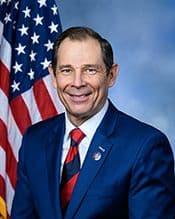
- John Curtis
- Cosponsors
- - 1 - 2
- Introduced
- On Calendar
What this bill would do
The "Fix Our Forests Act" focuses on improving forest management, wildfire risk reduction, and disaster assistance across National Forest System, Bureau of Land Management, and Tribal lands. It establishes several new initiatives, including "fireshed management areas" and a Wildfire Intelligence Center to provide real-time data and community safety support. The bill enhances prescribed fire capabilities, supports community wildfire risk reduction, and promotes the restoration of native species like white oak. It also includes provisions for reforestation, tree nursery expansion, and the protection of water sources. Additionally, the legislation creates a casualty assistance program for firefighters and establishes a unified disaster assistance intake process. Finally, it implements litigation reforms aimed at limiting judicial review of certain agency actions.
Who it would affect, and how
Potential Positive Impacts for People
-
Wildfire Risk Reduction: The designation of fireshed management areas aims to protect lives, critical infrastructure, and municipal watersheds by addressing high-risk landscapes. (Section 101)
-
Enhanced Decision Support: A Wildfire Intelligence Center will provide real-time, data-rich technical services to inform land management, emergency response, and community outreach. (Section 102)
-
Improved Public Health Information: The Wildfire Intelligence Center will consolidate air quality monitoring and forecasting data to help protect the public from smoke impacts. (Section 102)
-
Community Safety Support: The Center will assist in creating evacuation plans for at-risk communities and public safety power shutoff plans. (Section 102)
-
Watershed and Water Supply Protection: The Water Source Protection Program prioritizes projects to protect and restore water supply and quality, including municipal and agricultural systems. (Section 118)
-
Firefighter Support: The bill includes a Wildland Fire Management Casualty Assistance Program to provide assistance, such as travel reimbursement and case management, to the next-of-kin of firefighters killed or critically injured in the line of duty. (Title IV / Section 401)
-
Increased Wildfire Risk Reduction: The Community Wildfire Risk Reduction Program supports research in fire resilience and the development of fire-resistant building methods, codes, and standards. (Section 201(b))
-
Support for Local Communities: This program provides technical and financial assistance through a streamlined portal to help communities implement risk-reduction measures on private property. (Section 201(c))
-
Enhanced Prescribed Fire Capabilities: The Secretary can carry out activities such as procurement contracts, issuing grants to local governments and nonprofits, and public outreach to support prescribed fires. (Section 131(b))
-
Job Creation and Economic Opportunities: Biochar demonstration projects are intended to create new jobs and contribute to local economies, particularly in rural areas. (Section 301(b)(3)(B))
-
Improved Forest Health and Reforestation: The "Seeds of Success" strategy enhances the domestic seed supply chain and promotes the re-seeding of native or fire-resistant vegetation. (Section 214(a))
-
Enhanced Infrastructure Safety: The bill allows for the removal of hazard trees near electric power lines to improve safety. (Section 211(a))
-
Forest and Habitat Restoration: Provisions include the restoration of white oak trees and the establishment of a "White Oak and Upland Oak Habitat Regeneration Program" to improve forest health and wildlife habitats. (Section 313, Section 314)
-
Increased Research and Technical Capacity: The establishment of regional wildland fire research centers and expanded tree nursery capacity improves scientific understanding and the supply of seedlings. (Section 315, Section 121)
-
Support for Local Economies: A contract preference for "appropriate local contractors" is implemented to carry out hazardous fuel reduction projects. (Section 124)
-
Increased Watershed Protection: The Secretary can undertake emergency watershed protection measures to address soil erosion and flooding caused by natural disasters. (Section 502(b))
-
Financial Relief for Sponsors: The Secretary is authorized to waive matching requirements for payments made to sponsors undertaking emergency watershed protection. (Section 502(d))
-
Streamlined Payments for Projects: Under the Emergency Forest Watershed Program, partial payments may be made before a project is finished, with final payments due within 30 days of completion. (Section 502(c)(2))
-
Improved Agricultural Support: The Emergency Conservation Program is expanded to include measures for replacing or restoring farmland or conservation structures. (Section 503)
-
Expanded Wildfire Coverage: The bill clarifies that certain wildfires, including those not caused naturally or those caused by the Federal Government, are eligible for payments. (Section 503 and Section 504)
-
Advance Payments for Forest Owners: Owners of nonindustrial private forest land may receive up to 75 percent of the cost of emergency measures before carrying out the work. (Section 504(e)(1))
-
Unified Disaster Application: A new unified intake process allows for consolidated applications for various forms of disaster assistance. (Section 505(b)(1))
-
Improved Communication for Survivors: The new system allows applicants to receive status updates, update information, and access additional recovery resources. (Section 505(b)(2))
Potential Negative Impacts for People
-
Limitation on Judicial Review: Litigation reform provisions place specific limitations on the ability of courts to issue preliminary or permanent injunctions against "covered agency actions" related to fireshed management projects. (Section 121)
-
Environmental Review Exemptions: The designation of a fireshed management area is not subject to the requirements of the National Environmental Policy Act of 1969. (Section 101)
-
Environmental Review Exemptions: Fireshed assessments are also not subject to the requirements of the National Environmental Policy Act of 1969. (Section 105)
-
Increased Wildfire Risk via Vacatur Decisions: When considering vacating an agency action, courts must weigh if doing so could cause significant increases in wildfire risk or severity. (Section (2)(B)(ii)(I))
-
Environmental and Ecosystem Risks: Courts must consider if vacating an agency action could lead to significant threats to the health of the ecosystem. (Section (2)(B)(ii)(II))
-
Smoke-Related Health and Safety Risks: Expanded use of prescribed fire requires research and policies to address public health and safety impacts regarding smoke. (Section 134(a))
-
Potential Restrictions on Tree Removal: High-priority hazard tree activities are prohibited in certain areas, such as wilderness or roadless areas. (Section 213(a)(2))
-
Governmental Bureaucracy: The bill establishes several new entities, including the Wildland Fire Intelligence Center, the White Oak and Upland Oak Habitat Regeneration Program, and regional research centers. (Section 102, Section 314, Section 121)
-
Potential for Resource Diversion: Authorities for programs like white oak restoration and Forest Service pilot projects are subject to the availability of appropriations. (Section 311, Section 314)
-
Limitations on Judicial Review: The litigation reform section imposes strict requirements and limitations on the ability of courts to issue injunctions against certain agency actions. (Section 131)
-
Restrictions on Legal Claims: Claims seeking judicial review of covered agency actions must be filed within 150 days of notice. (Section 131)
-
Potential for Uncompensated Resource Losses: Payments for reforestation in New Mexico may be limited until all other claims by injured persons are resolved. (Section 123)
-
Liability Risks for Sponsors: A sponsor carrying out emergency watershed protection before a formal agreement is entered into assumes the risk of any costs or liabilities. (Section 502(f))
-
Liability for Negligent Conduct: Sponsors remain liable for damages if they act with willful or wanton negligence or reckless conduct. (Section 502(e)(2))
-
Requirement to Return Funds: Owners of nonindustrial private forest land must return advance funds if they are not expended within a 180-day period. (Section 504(e)(2))
- 10/27/2025
- Committee on Agriculture, Nutrition, and Forestry. Reported by Senator Boozman with an amendment in the nature of a substitute. Without written report.
- Placed on Senate Legislative Calendar under General Orders. Calendar No. 212.
- 10/21/2025
- Committee on Agriculture, Nutrition, and Forestry. Ordered to be reported with an amendment in the nature of a substitute favorably.
- 5/6/2025
- Committee on Agriculture, Nutrition, and Forestry. Hearings held. Hearings printed: S.Hrg. 119-74.
- 4/10/2025
- Read twice and referred to the Committee on Agriculture, Nutrition, and Forestry.
- 3 Cosponsors added.
- Introduced in Senate
2 bills Congress.gov lists as related to this one — companions in the other chamber, earlier versions, and bills this one absorbed or was folded into.
 John Hickenlooper
Democrat · Colorado
 Alex Padilla
Democrat · California
 Tim Sheehy
Republican · Montana