Bill · S. 1196· Senate(119-S-1196)
Special Government Employees Transparency Act of 2025
- Introduced
- 3/27/2025
- Last activity
- 3/27/2025 — Read twice and referred to the Committee on Homeland Security and Governmental Affairs.
- Sponsored by
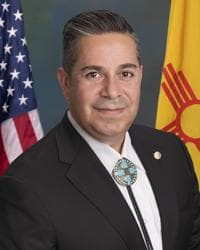
- Ben Luján
- Cosponsors
- - 8 - 0
- Introduced
- In Committee
What this bill would do
The Special Government Employees Transparency Act of 2025 seeks to implement stricter controls and transparency measures for special Government employees. It mandates that Executive agencies limit the service of these individuals to 130 days within any 365-day period. If this threshold is exceeded, the agency must reclassify the individual under applicable civil service laws and provide written notice. Additionally, the bill requires the Director of the Office of Personnel Management to establish a public, searchable database containing specific details about "covered" special Government employees. Finally, the Act requires Executive agencies to make financial disclosure reports filed by these covered employees available to the public.
Yes· 3 of 4
Does this make what the government does easier for the public to see?+8
The bill mandates a public database and the release of financial disclosure reports to increase government transparency.
Does this limit the influence of paid lobbyists?+5
The bill increases oversight of government employees, indirectly reducing potential undisclosed influence.
Does this protect the right to fair treatment by the courts?+2
The bill provides employees with notice and the ability to appeal new employment classifications.
The opposite
Does this protect people from being watched or searched?-4
The bill reduces the privacy of special government employees by making their pay and financial disclosures public.
Who it would affect, and how
Potential Positive Impacts for People
-
Increased Oversight of Personnel: By requiring agencies to reclassify individuals who serve as special Government employees for more than 130 days, the bill ensures they are brought under standard civil service laws and personnel frameworks (Section 2(b)(2)).
-
Public Access to Employment Data: The creation of a searchable, sortable database allows the public to view the name, position title, pay rate, and employing agency of covered special Government employees without needing to register (Section 3(b)(1) and 3(b)(2)).
-
Transparency of Financial Interests: The bill requires that financial disclosure reports filed by covered special Government employees be made publicly available, providing insight into their potential financial interests (Section 3(c)).
-
Accessibility of Information: The required database must be compliant with the Rehabilitation Act and Web Content Accessibility Guidelines, ensuring the information is accessible to a wide range of people (Section 3(b)(2)).
Potential Negative Impacts for People
-
Administrative Burden on Agencies: Executive agencies are required to perform several tasks, such as determining new employment classifications, providing written notices of those determinations, and notifying the Director of personnel actions within 30 days (Section 2(b)(2) and Section 3(b)(3)).
-
Mandatory Reclassification: Individuals serving as special Government employees who exceed the 130-day limit will be subject to a new employment classification and must follow the personnel management policies of their employing authority (Section 2(b)(2)).
-
Potential Privacy Loss: Covered special Government employees will have their names, pay rates, and financial disclosure reports made available to the public (Section 3(b)(1) and Section 3(c)).
Groups and Interests Ranking
Every group the model scored this bill for, from -10 to +10. Hover a score for the reason it gave.
- Governance And Ideology
- Improves Government Transparency+8Reduces Lobbying+5Improves Due Process+2Improves Privacy Rights-4
- Demographic And Interest Groups
- Good For People With Disabilities+2
- 3/31/2025
- 1 Cosponsor added.
- 3/27/2025
- Read twice and referred to the Committee on Homeland Security and Governmental Affairs.
- 7 Cosponsors added.
- Introduced in Senate
One bill Congress.gov lists as related to this one — companions in the other chamber, earlier versions, and bills this one absorbed or was folded into.
 Richard Blumenthal
Democrat · Connecticut
 Catherine Cortez Masto
Democrat · Nevada
 Tammy Duckworth
Democrat · Illinois
 Mark Kelly
Democrat · Arizona
 Jeff Merkley
Democrat · Oregon
 Adam Schiff
Democrat · California
 Ron Wyden
Democrat · Oregon
 Elizabeth Warren
Democrat · Massachusetts