Bill · H.Res. 95· House(119-HRES-95)
Recognizing the significance of the Greensboro Four sit-in during Black History Month.
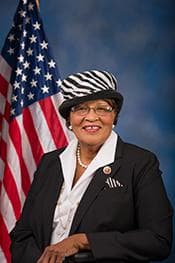
- Introduced
- 2/4/2025
- Last activity
- 2/4/2025 — Referred to the Committee on Education and Workforce, and in addition to the Committee on the Judiciary, for a period to be subsequently determined by the Speaker, in each case for consideration of such provisions as fall within the jurisdiction of the committee concerned.
- Sponsored by
- Alma Adams
- Cosponsors
- - 16 - 0
- Introduced
- In Committee
A House resolution is the House speaking for itself: stating a position, honouring someone, or setting its own rules. Adopting it is the whole process. Once the House agrees to it, it is officially the House's word; it is not a law, so the Senate and the President have no part in it.
What this bill would do
This resolution recognizes the 65th anniversary of the Greensboro Four sit-in and its connection to the start of Black History Month. It honors Joseph McNeil, Jibreel Khazan, Franklin McCain, and David Richmond for starting the 1960 sit-in at a Woolworth cafeteria. The text notes how the peaceful protest sparked a nationwide movement involving over 700,000 people and led to the integration of the lunch counter. The House of Representatives resolves to recognize the group's contributions to the civil rights movement. Finally, the resolution encourages all States to teach the history and contributions of the Greensboro Four in their educational curriculums.
Yes
Would Black Americans be better off under this?+5
The resolution explicitly recognizes the significant contributions of Black Americans to the nation's history and culture.
Would students be better off under this?+3
The text highlights the role of college students as catalysts for the civil rights movement.
Does this narrow racial gaps in how people are treated?+3
The resolution highlights the role of the Greensboro Four in challenging racial inequality and promoting civil rights.
The opposite
No question was scored the opposite.
Who it would affect, and how
Potential Positive Impacts for People
-
Educational enrichment: Under section (4), the resolution encourages all States to include the history and contributions of the Greensboro Four in their educational curriculum, which brings positive awareness to students.
-
Valuing diversity: Under section (2), the resolution recognizes that the ethnic and racial diversity of the United States enriches and strengthens the Nation, which promotes a positive message of inclusivity for the American people.
Potential Negative Impacts for People
- The provided text does not contain any specific sections or provisions that outline negative consequences, burdens, or impacts for individuals or groups of people in the United States.
Groups and Interests Ranking
Every group the model scored this bill for, from -10 to +10. Hover a score for the reason it gave.
- Demographic And Interest Groups
- Good For African Americans+5Good For Students+3
- Social Issues And Justice
- Improves Racial Equity+3
- 2/12/2025
- 3 Cosponsors added.
- 2/4/2025
- Submitted in House
- Referred to the Committee on Education and Workforce, and in addition to the Committee on the Judiciary, for a period to be subsequently determined by the Speaker, in each case for consideration of such provisions as fall within the jurisdiction of the committee concerned.
- 13 Cosponsors added.
One bill Congress.gov lists as related to this one — companions in the other chamber, earlier versions, and bills this one absorbed or was folded into.
 Shontel Brown
Democrat · Ohio
 André Carson
Democrat · Indiana
 Troy Carter
Democrat · Louisiana
 Danny Davis
Democrat · Illinois
 Donald Davis
Democrat · North Carolina
 Valerie Foushee
Democrat · North Carolina
 Al Green
Democrat · Texas
 Daniel Goldman
Democrat · New York
 Glenn Ivey
Democrat · Maryland
 Henry Johnson
Democrat · Georgia
 LaMonica McIver
Democrat · New Jersey
 Eleanor Norton
Democrat · District of Columbia
 Deborah Ross
Democrat · North Carolina
 Rashida Tlaib
Democrat · Michigan
 Marc Veasey
Democrat · Texas
 Nikema Williams
Democrat · Georgia