Bill · H.Res. 829· House(119-HRES-829)
Recognizing the significance of equal pay and the pay disparity between disabled women and both disabled and nondisabled men.
- Introduced
- 10/24/2025
- Last activity
- 10/24/2025 — Referred to the House Committee on Education and Workforce.
- Sponsored by
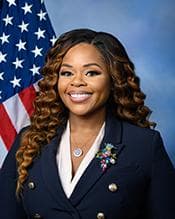
- Sheila Cherfilus-McCormick
- Cosponsors
- - 5 - 0
- Introduced
- In Committee
A House resolution is the House speaking for itself: stating a position, honouring someone, or setting its own rules. Adopting it is the whole process. Once the House agrees to it, it is officially the House's word; it is not a law, so the Senate and the President have no part in it.
What this bill would do
This resolution recognizes the significance of equal pay and highlights the wage gap between disabled women and both disabled and nondisabled men. It points out that disabled women overall earn significantly less than nondisabled men, with even larger gaps for disabled women of color and those with specific types of disabilities. The text notes that systemic barriers like discrimination and public benefits work disincentives contribute to these lower wages and occupational segregation. It also mentions that LGBTQI+ disabled people face additional barriers and that more inclusive data is needed. Finally, the House of Representatives resolves to recognize this pay disparity and reaffirms its commitment to supporting equal pay and addressing these systemic barriers.
Yes· 3 of 16
Would people with disabilities be better off under this?+4
Directly addresses pay disparities, segregated workplaces, and systemic barriers impacting disabled workers.
Does this expand the rights of people with disabilities?+4
The resolution formally highlights the significant wage disparities and systemic barriers faced by disabled workers.
Would women be better off under this?+3
Focuses on recognizing and addressing the wage disparities and systemic barriers affecting disabled women.
The opposite
No question was scored the opposite.
Who it would affect, and how
Potential Positive Impacts for People
- The House of Representatives reaffirms its commitment to supporting equal pay for disabled women, narrowing wage gaps, and addressing systemic barriers as stated in the final resolved clause. This could be considered positive because it shows our elected officials officially acknowledging the problem and committing to fix the inequities that shortchange hardworking people.
Potential Negative Impacts for People
- Based on the provided text, there are no specific sections, provisions, or negative consequences identified that would burden individuals or groups. The text is strictly a resolution recognizing existing data on pay disparities and stating a commitment to address them, without enacting any laws, taxes, or mandates that create negative impacts.
Groups and Interests Ranking
Every group the model scored this bill for, from -10 to +10. Hover a score for the reason it gave.
- Demographic And Interest Groups
- Good For People With Disabilities+4Good For Women+3Good For African Americans+1Good For Asian Americans+1Good For Hispanic Americans+1Good For L G B T Q Community+1Good For Low Income Households+1Good For Native Americans+1Good For Veterans+1Good For White Americans+1
- Social Issues And Justice
- Improves Disability Rights+4Improves Gender Equality+3Improves L G B T Q Rights+2Improves Racial Equity+2Improves Poverty Reduction+1
- National Security And Foreign Policy
- Improves Veterans Benefits+1
- 11/19/2025
- 2 Cosponsors added.
- 10/24/2025
- Submitted in House
- Referred to the House Committee on Education and Workforce.
- 3 Cosponsors added.
 Alma Adams
Democrat · North Carolina
 Eleanor Norton
Democrat · District of Columbia
 Ayanna Pressley
Democrat · Massachusetts
 Melanie Stansbury
Democrat · New Mexico
 Lateefah Simon
Democrat · California