
Nanette Barragán (D-CA)
Recognizing the importance of engagement with the Latino community to get into outdoor recreation and participate in activities to protect United States natural resources, and expressing support for the designation of the third week of September as "Latino Conservation Week".
A Democratic resolution with 17 Democratic cosponsors · See all 17 cosponsors
Last activity — Referred to the House Committee on Natural Resources.
In committee
Introduced and handed to a committee in the chamber it started in.
The committee holds it, and most bills are never heard from again. A hearing or a committee vote would be news; silence is the usual outcome, and it kills the bill without anyone voting against it.
Its path through Congress
- Introduced
- In Committee
A House resolution is the House speaking for itself: stating a position, honouring someone, or setting its own rules. Adopting it is the whole process. Once the House agrees to it, it is officially the House's word; it is not a law, so the Senate and the President have no part in it.
What this bill would do
H. Res. 734 recognizes the importance of the Latino community engaging in outdoor recreation and protecting United States natural resources. The resolution expresses support for designating the third week of September as "Latino Conservation Week." It highlights the role of Latino communities in leadership activities like stewardship events and environmental justice. The bill also acknowledges the physical and mental health benefits of accessing nature. Finally, it affirms that including Latino youth, families, and leaders strengthens climate resilience and environmental health.
Yes· 3 of 29
- Scored +10
Would Hispanic Americans be better off under this?
The bill specifically recognizes and supports the Latino community's role in conservation and designates Latino Conservation Week.
- Scored +6
Would people in cities be better off under this?
Specifically calls for equitable urban planning and restoration of urban heat islands.
- Scored +6
Does this better protect air, water and wildlife?
The resolution promotes the protection of US natural resources and environmental stewardship.
The opposite
No question was scored the opposite.
Who it would affect, and how
Potential Positive Impacts for People
-
Health and Economic Benefits: Access to nature and public lands provides mental and physical health benefits, lowers long-term health care costs, and helps local economies by improving outdoor recreation infrastructure.
-
Community Leadership and Engagement: The designation of "Latino Conservation Week" supports Latino communities in leading and participating in activities such as hiking, camping, birdwatching, neighborhood cleanups, and tree plantings.
-
Environmental Justice: The resolution highlights the importance of equitable urban planning and investment to help communities of color who live in areas with limited access to green spaces and urban heat islands.
-
Cultural Recognition: The resolution recognizes the cultural, agricultural, and ecological contributions of the Latino identity and heritage to public lands.
Potential Negative Impacts for People
- No negative impacts for individuals or groups are mentioned in the provided text.
Groups and Interests Ranking
Every group the model scored this bill for, from -10 to +10. Tap or hover a score for the reason it gave.
- Demographic And Interest Groups
- Would Hispanic Americans be better off under this? — The bill specifically recognizes and supports the Latino community's role in conservation and designates Latino Conservation Week. Would people in cities be better off under this? — Specifically calls for equitable urban planning and restoration of urban heat islands. Would immigrants be better off under this? — Recognizes the cultural and agricultural contributions of Latino identity to public lands. Would households on low incomes be better off under this? — Addresses the need for equitable investment in green spaces for underserved communities. Would children be better off under this? — The bill emphasizes the importance of including Latino youth in environmental health and climate resilience. Would people in rural areas be better off under this? — Promotes stewardship and enjoyment of national parks and conservation lands. Would students be better off under this? — Supports engagement of Latino youth in outdoor activities and leadership. Would people in their twenties and thirties be better off under this? — Promotes the inclusion of Latino youth and leaders in conservation. Would Black Americans be better off under this? — Broadly supports equitable access to parks for communities of color. Would Asian Americans be better off under this? — Broadly supports equitable access to parks for communities of color. Would farmers be better off under this? — Recognizes the agricultural contributions of the Latino community to public lands. Would men be better off under this? — Encourages family and community engagement in outdoor activities. Would people in middle age be better off under this? — Encourages Latino families to engage in outdoor recreation. Would middle-income households be better off under this? — Promotes access to public lands and outdoor recreation. Would Native Americans be better off under this? — Broadly supports equitable access to parks for communities of color. Would retired people be better off under this? — Promotes physical and mental health through access to nature. Would people over 65 be better off under this? — Encourages Latino families and individuals to experience the health benefits of nature. Would women be better off under this? — Encourages family and community engagement in outdoor activities. Would business owners be better off under this? — Potential positive impact via growth in the outdoor recreation economy. Would white Americans be better off under this? — General benefit from improved environmental protections and public land stewardship.
- Environment Energy And Infrastructure
- Does this better protect air, water and wildlife? — The resolution promotes the protection of US natural resources and environmental stewardship. Does this better protect public land such as parks and forests? — The resolution supports the engagement of Latino communities in managing and protecting public lands. Does this improve buses, trains and other public transport? — The bill calls for safe and inclusive transportation options to access green spaces. Does this cut the pollution that drives climate change? — The bill affirms that Latino inclusion strengthens climate resilience.
- Healthcare
- Does this make mental health care easier to get? — The resolution recognizes the mental health benefits of accessing public lands. Does this make health care easier to get in general? — Promotes health through increased access to nature and public lands. Does this lower what a hospital stay costs? — The bill mentions that access to nature reduces long-term health care costs.
- Social Issues And Justice
- Does this narrow racial gaps in how people are treated? — The bill advocates for equitable urban planning and access to green spaces for communities of color.
- Economy And Finance
- Is this likely to grow the economy? — The bill notes that outdoor recreation infrastructure enhances local economies.
- 9/30/2025
- 1 Cosponsor added.
- 9/18/2025
- Submitted in House
- Referred to the House Committee on Natural Resources.
- 16 Cosponsors added.
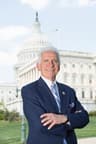 Jim Costa
Democrat · California
 Henry Cuellar
Democrat · Texas
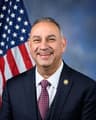 Gilbert Cisneros
Democrat · California
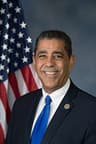 Adriano Espaillat
Democrat · New York
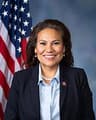 Veronica Escobar
Democrat · Texas
 Maxwell Frost
Democrat · Florida
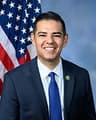 Robert Garcia
Democrat · California
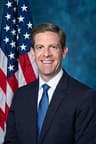 Mike Levin
Democrat · California
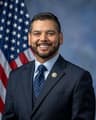 Raul Ruiz
Democrat · California
 Delia Ramirez
Democrat · Illinois
 Luz Rivas
Democrat · California
 Emily Randall
Democrat · Washington
 Darren Soto
Democrat · Florida
 Andrea Salinas
Democrat · Oregon
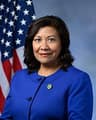 Norma Torres
Democrat · California
 Nydia Velázquez
Democrat · New York
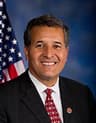 Juan Vargas
Democrat · California