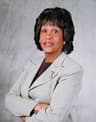
Maxine Waters (D-CA)
Honoring Paul Kawata for his unwavering commitment to communities of color, the LGBTQ+ community, and work to end the HIV epidemic.
A Democratic resolution with no cosponsors
Last activity — Referred to the House Committee on Oversight and Government Reform.
In committee
Introduced and handed to a committee in the chamber it started in.
The committee holds it, and most bills are never heard from again. A hearing or a committee vote would be news; silence is the usual outcome, and it kills the bill without anyone voting against it.
Its path through Congress
- Introduced
- In Committee
A House resolution is the House speaking for itself: stating a position, honouring someone, or setting its own rules. Adopting it is the whole process. Once the House agrees to it, it is officially the House's word; it is not a law, so the Senate and the President have no part in it.
What this bill would do
H. Res. 679 is a resolution to honor Paul Kawata for his leadership and advocacy. It recognizes his role as the executive director of NMAC since 1989. The resolution highlights his work in advancing health equity for communities of color and the LGBTQ+ community. It also acknowledges his efforts to end the HIV epidemic and confront systemic racism and homophobia. Ultimately, the House of Representatives seeks to commend his service and express gratitude for his contributions to civil rights and public health.
Yes· 3 of 10
- Scored +3
Would LGBTQ people be better off under this?
Directly honors leadership in LGBTQ+ justice and the protection of queer people of color.
- Scored +2
Would Black Americans be better off under this?
Recognizes advocacy for Black populations disproportionately affected by HIV/AIDS.
- Scored +2
Would Hispanic Americans be better off under this?
Recognizes advocacy for Latino populations disproportionately affected by HIV/AIDS.
The opposite
No question was scored the opposite.
Who it would affect, and how
Potential Positive Impacts for People
-
Advancing Health Equity: The resolution notes that under Paul Kawata's leadership, NMAC worked to advance health equity for Black, Latino, Asian, Native American, and Native Hawaiian and Pacific Islander populations disproportionately affected by HIV/AIDS.
-
LGBTQ+ Justice and Visibility: The text states that Mr. Kawata ensured LGBTQ+ individuals, especially queer people of color, are visible and protected in community care, service delivery, and HIV/AIDS policy.
-
Public Health Foundations: The resolution credits Mr. Kawata as a founding member of the Federal AIDS Policy Partnership and a leader in shaping the National HIV/AIDS Strategy and the Minority AIDS Initiative.
-
Empowerment of Marginalized Groups: The bill mentions that his work created pathways for advocacy, leadership, and inclusion for historically marginalized groups.
Potential Negative Impacts for People
- No negative impacts for individuals or groups are mentioned in the provided text.
Groups and Interests Ranking
Every group the model scored this bill for, from -10 to +10. Tap or hover a score for the reason it gave.
- Demographic And Interest Groups
- Would LGBTQ people be better off under this? — Directly honors leadership in LGBTQ+ justice and the protection of queer people of color. Would Black Americans be better off under this? — Recognizes advocacy for Black populations disproportionately affected by HIV/AIDS. Would Asian Americans be better off under this? — Recognizes advocacy for Asian and Pacific Islander populations and specifically honors Paul Kawata's Japanese American heritage. Would Hispanic Americans be better off under this? — Recognizes advocacy for Latino populations disproportionately affected by HIV/AIDS. Would Native Americans be better off under this? — Recognizes advocacy for Native American and Native Hawaiian populations. Would households on low incomes be better off under this? — Honors work that improved health equity for marginalized, often lower-income populations. Would people with disabilities be better off under this? — Honors work regarding HIV/AIDS, which is often categorized as a disability in policy contexts.
- Social Issues And Justice
- Does this expand the rights of LGBTQ people? — The resolution recognizes leadership in ensuring LGBTQ+ individuals are visible and protected in policy and care. Does this narrow racial gaps in how people are treated? — The resolution honors efforts to confront systemic racism and advance health equity for communities of color.
- Healthcare
- Does this make health care easier to get in general? — The resolution honors a leader who advanced health equity and access for marginalized populations.
- 9/4/2025
- Submitted in House
- Referred to the House Committee on Oversight and Government Reform.