Bill · H.Res. 52· House(119-HRES-52)
Recognizing and honoring the work of community organizations and individuals who create and maintain services and educational programs for marginalized groups ensuring the resilience and prosperity of members of the LGBTQIA+ community.
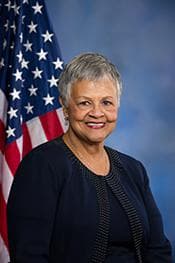
- Introduced
- 1/16/2025
- Last activity
- 1/16/2025 — Referred to the House Committee on the Judiciary.
- Sponsored by
- Bonnie Watson Coleman
- Cosponsors
- - 27 - 0
- Introduced
- In Committee
A House resolution is the House speaking for itself: stating a position, honouring someone, or setting its own rules. Adopting it is the whole process. Once the House agrees to it, it is officially the House's word; it is not a law, so the Senate and the President have no part in it.
What this bill would do
This bill is a resolution in the House of Representatives that recognizes and honors the work of community organizations and individuals who create and maintain services and educational programs for marginalized groups. It highlights the history, cultural significance, and current challenges faced by LGBTQIA+ community spaces and organizations. The text points out that these spaces provide critical environments free from discrimination and violence, while also noting that sexual and gender minorities disproportionately face violent victimization. Furthermore, the resolution acknowledges the historical importance of community-building spaces in fighting oppression and notes the decline of historical LGBTQIA+ bars and clubs. Finally, the bill states that the House of Representatives recognizes these spaces, commends community partnerships, acknowledges historical importance, honors dedicated organizations and individuals, affirms education initiatives, and encourages continued support from Congress.
Yes· 3 of 8
Would LGBTQ people be better off under this?+6
The resolution explicitly recognizes and honors the work of organizations maintaining LGBTQIA+ services and spaces.
Does this expand the rights of LGBTQ people?+5
The resolution recognizes the essential necessity of LGBTQIA+ community spaces for authentic expression and equality.
Would Black Americans be better off under this?+3
The resolution highlights the importance of spaces that support people of color and intersectional solidarity.
The opposite
No question was scored the opposite.
Who it would affect, and how
Potential Positive Impacts for People
-
Recognition of Community Work: Under resolved clause (1) and resolved clause (4), the House of Representatives recognizes the necessity and work of those who create LGBTQIA+ community spaces and honors current and past organizations and individuals dedicated to providing marginalized groups with space to commune and organize. This could be seen as positive because it officially acknowledges the efforts of people who support vulnerable populations.
-
Fostering Partnerships: Under resolved clause (2), the bill commends those who foster community partnerships between marginalized groups and local resources. This might be considered positive as it supports the connection of resources to groups that may need them.
-
Acknowledging History: Under resolved clause (3), the bill acknowledges the historical importance of community-building spaces in the intersectional fight against homophobic, racist, misogynistic, and hateful oppression. This could be viewed positively by highlighting past struggles and achievements.
-
Affirming Education: Under resolved clause (5), the bill affirms the importance of education and awareness initiatives that highlight the historical and cultural significance of LGBTQIA+ community spaces. This may be positive for people wanting greater public awareness of these histories.
-
Congressional Encouragement: Under resolved clause (6), the bill encourages continued support by Congress for community organizations and individuals who continue to create community for marginalized groups. This could be considered a positive signal of backing for these groups.
Potential Negative Impacts for People
- None Identified: The provided text does not contain any specific sections or provisions that outline potential negative consequences, burdens, or negative impacts for individuals or groups of people in the United States.
Groups and Interests Ranking
Every group the model scored this bill for, from -10 to +10. Hover a score for the reason it gave.
- Demographic And Interest Groups
- Good For L G B T Q Community+6Good For African Americans+3Good For Asian Americans+3Good For Hispanic Americans+3Good For Native Americans+3
- Social Issues And Justice
- Improves L G B T Q Rights+5Improves Gender Equality+3Improves Racial Equity+3
- 2/10/2025
- 1 Cosponsor added.
- 2/6/2025
- 1 Cosponsor added.
- 1/23/2025
- 2 Cosponsors added.
- 1/22/2025
- 1 Cosponsor added.
- 1/21/2025
- 2 Cosponsors added.
- 1/16/2025
- Submitted in House
- Referred to the House Committee on the Judiciary.
- 20 Cosponsors added.
 André Carson
Democrat · Indiana
 Judy Chu
Democrat · California
 Lloyd Doggett
Democrat · Texas
 Dwight Evans
Democrat · Pennsylvania
 Adriano Espaillat
Democrat · New York
 Valerie Foushee
Democrat · North Carolina
 Raúl Grijalva
Democrat · Arizona
 Josh Gottheimer
Democrat · New Jersey
 Jesús García
Democrat · Illinois
 Jahana Hayes
Democrat · Connecticut
 Henry Johnson
Democrat · Georgia
 Raja Krishnamoorthi
Democrat · Illinois
 Jared Moskowitz
Democrat · Florida
 Seth Magaziner
Democrat · Rhode Island
 Kevin Mullin
Democrat · California
 LaMonica McIver
Democrat · New Jersey
 Eleanor Norton
Democrat · District of Columbia
 Johnny Olszewski
Democrat · Maryland
 Frank Pallone
Democrat · New Jersey
 Mike Quigley
Democrat · Illinois
 Delia Ramirez
Democrat · Illinois
 Emily Randall
Democrat · Washington
 Terri Sewell
Democrat · Alabama
 Eric Swalwell
Democrat · California
 Dina Titus
Democrat · Nevada
 Rashida Tlaib
Democrat · Michigan
 Nydia Velázquez
Democrat · New York