Bill · H.Res. 431· House(119-HRES-431)
Recognizing the importance of the Arctic Council and reaffirming the commitment of the United States to the Arctic Council.
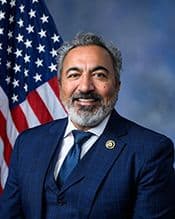
- Introduced
- 5/20/2025
- Last activity
- 5/20/2025 — Referred to the House Committee on Foreign Affairs.
- Sponsored by
- Ami Bera
- Cosponsors
- - 2 - 1
- Introduced
- In Committee
A House resolution is the House speaking for itself: stating a position, honouring someone, or setting its own rules. Adopting it is the whole process. Once the House agrees to it, it is officially the House's word; it is not a law, so the Senate and the President have no part in it.
What this bill would do
This resolution recognizes the vital role of the Arctic Council in fostering international cooperation, sustainable development, and environmental protection. It reaffirms the United States' commitment to active leadership and participation within the Council. The text highlights the importance of addressing regional challenges such as climate change and increasing human activity. It also notes the geopolitical shifts occurring in the region due to Russia's actions and the strategic importance of the Arctic. Finally, the resolution calls for increased attention, resources, and leadership from the United States to maintain a safe and stable Arctic.
Who it would affect, and how
Potential Positive Impacts for People
-
Environmental Protection and Safety: The resolution recognizes the Council's role in addressing issues like oil spill prevention, persistent organic pollutants, and shipping pollution, which helps safeguard the region for future generations. (Whereas clauses regarding the Council's achievements; Section 7)
-
Indigenous Engagement: The text emphasizes that the engagement of Indigenous communities and respect for traditional knowledge are integral to the Council's success, promoting their participation in addressing regional challenges. (Whereas clauses; Section 2)
-
Scientific Advancement: The Council promotes scientific research and assessments regarding Arctic biodiversity and ocean health, which can provide an advanced understanding of regional challenges. (Whereas clauses; Section 2)
-
Diplomatic Leadership: By urging the executive branch to prevent vacancies in the position of United States Arctic Ambassador-at-Large, the resolution aims to ensure strong and consistent leadership in Arctic diplomacy. (Section 10)
-
Increased Resources: The resolution supports robust funding and resources for United States agencies and organizations engaged in Arctic Council activities to ensure the country fulfills its responsibilities. (Section 6)
Potential Negative Impacts for People
-
Security Risks from Geopolitical Competition: The text notes that as temperatures warm and the Arctic becomes more accessible, both Arctic and non-Arctic states are likely to increase their military presence and competitive activities, which could lead to increased tension. (Whereas clauses)
-
Security Threats from Non-A7 Countries: The resolution mentions that Russia's diplomatic isolation has led to increased cooperation with countries like China, which is described as posing a threat to American and European national security. (Whereas clauses)
- 7/14/2025
- 1 Cosponsor added.
- 5/20/2025
- Submitted in House
- Referred to the House Committee on Foreign Affairs.
- 2 Cosponsors added.
One bill Congress.gov lists as related to this one — companions in the other chamber, earlier versions, and bills this one absorbed or was folded into.
 Mark Amodei
Republican · Nevada
 William Keating
Democrat · Massachusetts
 Sarah McBride
Democrat · Delaware