Bill · H.Res. 356· House(119-HRES-356)
Expressing support for the designation of April 13, 2025, through April 26, 2025, as "National Young Audiences Arts for Learning Week".
- Introduced
- 4/28/2025
- Last activity
- 4/28/2025 — Referred to the House Committee on Education and Workforce.
- Sponsored by
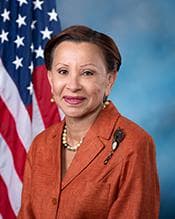
- Nydia Velázquez
- Cosponsors
- None
- Introduced
- In Committee
A House resolution is the House speaking for itself: stating a position, honouring someone, or setting its own rules. Adopting it is the whole process. Once the House agrees to it, it is officially the House's word; it is not a law, so the Senate and the President have no part in it.
What this bill would do
H. Res. 356 expresses support for designating April 13, 2025, through April 26, 2025, as "National Young Audiences Arts for Learning Week." The resolution recognizes the importance of arts education in providing a well-rounded education and supporting academic success. It highlights the impact of Young Audiences Arts for Learning and its affiliates across the country. The House of Representatives aims to honor the contributions of these programs to students, teachers, and communities. Finally, it encourages Americans to observe the week with activities that promote awareness of arts in education.
Yes· 3 of 18
Would students be better off under this?+10
The entire resolution is dedicated to promoting arts education for students.
Would children be better off under this?+8
Promotes arts education as essential for a well-rounded education for all students.
Would people with disabilities be better off under this?+6
Explicitly mentions methodologies to meet the needs of students with special needs.
The opposite
No question was scored the opposite.
Who it would affect, and how
Potential Positive Impacts for People
-
Support for Well-Rounded Education: Arts education helps students develop critical thinking, problem-solving, imagination, creativity, and cross-cultural understanding. (Whereas sections)
-
Benefits for Diverse Learners: Arts education provides a proven methodology to meet the needs of students with special needs and English language learners. (Whereas sections)
-
Economic Support: The nonprofit arts sector acts as an economic engine by providing wages, benefits, and purchasing goods and services. (Whereas sections)
-
Broad Educational Reach: Programs reach millions of participants across thousands of schools and community centers, including predominantly title I public school settings. (Whereas sections)
Potential Negative Impacts for People
- No negative impacts for people are mentioned in the provided text.
Groups and Interests Ranking
Every group the model scored this bill for, from -10 to +10. Hover a score for the reason it gave.
- Demographic And Interest Groups
- Good For Students+10Good For Children+8Good For People With Disabilities+6Good For Low Income Households+5Good For Young Adults+5Good For Immigrants+4Good For African Americans+3Good For Hispanic Americans+3Good For Middle Class Households+3Good For Rural Residents+3Good For Urban Residents+3Good For Asian Americans+2Good For High Income Households+2Good For Native Americans+2Good For White Americans+2
- Social Issues And Justice
- Improves Disability Rights+1Improves Racial Equity+1
- Economy And Finance
- Improves Economic Growth+1
- 4/28/2025
- Submitted in House
- Referred to the House Committee on Education and Workforce.
One bill Congress.gov lists as related to this one — companions in the other chamber, earlier versions, and bills this one absorbed or was folded into.