Bill · H.Res. 1151· House(119-HRES-1151)
Expressing support for the designation of the weeks of March 29, 2026, through April 11, 2026, as National Young Audiences Arts for Learning Week.
- Introduced
- 4/2/2026
- Last activity
- 4/2/2026 — Referred to the House Committee on Education and Workforce.
- Sponsored by
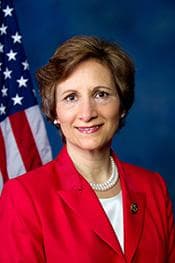
- Suzanne Bonamici
- Cosponsors
- - 2 - 0
- Introduced
- In Committee
A House resolution is the House speaking for itself: stating a position, honouring someone, or setting its own rules. Adopting it is the whole process. Once the House agrees to it, it is officially the House's word; it is not a law, so the Senate and the President have no part in it.
What this bill would do
This resolution expresses support for designating the weeks of March 29, 2026, through April 11, 2026, as National Young Audiences Arts for Learning Week. The measure aims to honor the contributions of arts-in-education programs to students, teachers, families, and communities. It recognizes arts education as a vital part of a well-rounded education that helps develop critical thinking and creativity. Additionally, the resolution highlights the economic impact of the nonprofit arts sector. Finally, it encourages the American public to observe this designated week through activities that promote awareness of arts education's role in society.
Yes· 3 of 10
Would children be better off under this?+2
The resolution emphasizes that arts education supports the development of critical thinking, creativity, and academic success in students.
Would students be better off under this?+2
The resolution aims to honor the enrichment of students' lives through arts-in-education programs.
Would people in their twenties and thirties be better off under this?+1
The resolution notes that arts-in-education programs impact a wide range of participants from infancy through high school graduation.
The opposite
No question was scored the opposite.
Who it would affect, and how
Potential Positive Impacts for People
-
Student Development: Arts education is noted to help students develop critical thinking, problem-solving skills, imagination, creativity, discipline, and cross-cultural understanding (Whereas clause).
-
Academic Success and Personal Growth: The text states that arts education supports academic success nationwide and personal growth outside of the classroom (Whereas clause).
-
Inclusive Instruction: Arts education provides a methodology to meet the specific needs of all students, particularly English language learners and students with special needs (Whereas clause).
-
Economic Benefits: The nonprofit arts sector is described as an economic engine that contributes to the economic health of communities through wages, benefits, goods, and services (Whereass clause).
-
Community and Educational Enrichment: The resolution seeks to honor how these programs enrich the lives of students, teachers, volunteers, families, and communities (Resolved clause 2).
Potential Negative Impacts for People
- No negative impacts are mentioned in the text.
Groups and Interests Ranking
Every group the model scored this bill for, from -10 to +10. Hover a score for the reason it gave.
- Demographic And Interest Groups
- Good For Children+2Good For Students+2Good For Hispanic Americans+1Good For Low Income Households+1Good For People With Disabilities+1Good For Young Adults+1
- Social Issues And Justice
- Improves Disability Rights+1Improves Poverty Reduction+1
- Economy And Finance
- Increases Job Creation+1
- Education And Technology
- Increases Public School Funding+1
- 4/2/2026
- Submitted in House
- Referred to the House Committee on Education and Workforce.
- 3 Cosponsors added.
One bill Congress.gov lists as related to this one — companions in the other chamber, earlier versions, and bills this one absorbed or was folded into.
 Kevin Kiley
Independent · California
 Chellie Pingree
Democrat · Maine
 Nydia Velázquez
Democrat · New York