Bill · H.Res. 333· House(119-HRES-333)
Recognizing the enduring cultural and historical significance of emancipation in the Nation's capital on the anniversary of President Abraham Lincoln's signing of the District of Columbia Compensated Emancipation Act, which established the "first freed" on April 16, 1862, and celebrating passage of the District of Columbia statehood bill in the House of Representatives.
- Introduced
- 4/14/2025
- Last activity
- 4/14/2025 — Referred to the House Committee on Oversight and Government Reform.
- Sponsored by
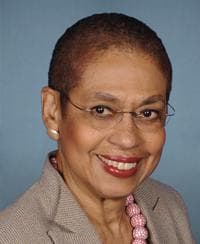
- Eleanor Norton
- Cosponsors
- None
- Introduced
- In Committee
A House resolution is the House speaking for itself: stating a position, honouring someone, or setting its own rules. Adopting it is the whole process. Once the House agrees to it, it is officially the House's word; it is not a law, so the Senate and the President have no part in it.
What this bill would do
This resolution recognizes the historical significance of the District of Columbia Compensated Emancipation Act signed by President Abraham Lincoln on April 16, 1862. It notes the end of slavery in the District of Columbia and the establishment of Emancipation Day as a legal public holiday. The text also addresses the history of racial inequality and disenfranchisement in the District. Furthermore, it highlights that District residents pay more per capita in Federal taxes than residents of any State while lacking voting representation in Congress. Finally, the resolution celebrates the passage of the Washington, DC Admission Act in the House of Representatives and calls on Congress to pass that act.
Yes· 3 of 5
Does this protect the right to vote?+7
The resolution advocates for DC statehood to grant residents voting representation in Congress.
Would people in cities be better off under this?+6
The resolution advocates for political rights and local autonomy for residents of the District of Columbia.
Does this narrow racial gaps in how people are treated?+5
The resolution addresses the historical disenfranchisement and racial inequality faced by District residents.
The opposite
No question was scored the opposite.
Who it would affect, and how
Potential Positive Impacts for People
-
Recognition of Emancipation Day: The resolution recognizes the anniversary of the end of slavery in the District of Columbia, which symbolizes the aspirations of residents for the same rights and freedoms afforded to those living in States (Resolution Section 1).
-
Advocacy for Statehood: By calling on Congress to pass the Washington, DC Admission Act, the resolution seeks to address the fact that residents are currently denied voting representation in Congress and independence from congressional interference in local matters (Resolution Section 2; Whereas clauses).
Potential Negative Impacts for People
- No negative impacts or burdens are explicitly mentioned in the provided text.
Groups and Interests Ranking
Every group the model scored this bill for, from -10 to +10. Hover a score for the reason it gave.
- Social Issues And Justice
- Improves Voting Rights+7Improves Racial Equity+5
- Demographic And Interest Groups
- Good For Urban Residents+6Good For African Americans+5
- Governance And Ideology
- Increase States Rights+5
- 4/14/2025
- Submitted in House
- Referred to the House Committee on Oversight and Government Reform.
One bill Congress.gov lists as related to this one — companions in the other chamber, earlier versions, and bills this one absorbed or was folded into.