
Lateefah Simon(D-CA)
Recognizing the significance of equal pay and the pay disparity between disabled women and nondisabled men.
A Democratic resolution with 2 Democratic cosponsors · See all 2 cosponsors
Last activity — Referred to the House Committee on Education and Workforce.
In committee
Introduced and handed to a committee in the chamber it started in.
The committee holds it, and most bills are never heard from again. A hearing or a committee vote would be news; silence is the usual outcome, and it kills the bill without anyone voting against it.
Its path through Congress
- Introduced
- In Committee
A House resolution is the House speaking for itself: stating a position, honouring someone, or setting its own rules. Adopting it is the whole process. Once the House agrees to it, it is officially the House's word; it is not a law, so the Senate and the President have no part in it.
What this bill would do
This resolution focuses on recognizing the pay disparity between disabled women and nondisabled men in the United States. It highlights data showing that disabled women are paid significantly less than nondisabled men across various demographics, job types, and education levels. The text points out that systemic barriers like discrimination and public benefits work disincentives contribute to these wage gaps. It also notes that LGBTQI+ disabled people face additional barriers and that more inclusive data is needed. Finally, the House of Representatives resolves to recognize this pay disparity and reaffirms its commitment to supporting equal pay and addressing systemic inequities.
Yes· 3 of 13
- Scored +3
Would women be better off under this?
The resolution focuses directly on recognizing and addressing the severe wage disparities and systemic barriers faced by disabled women.
- Scored +3
Would people with disabilities be better off under this?
The resolution brings national attention to systemic barriers, subminimum wages, and occupational segregation affecting disabled workers.
- Scored +3
Does this narrow the gap between how men and women are treated?
The resolution formally recognizes the pay disparity between disabled women and nondisabled men and reaffirms a commitment to gender pay equity.
The opposite
No question was scored the opposite.
Who it would affect, and how
Potential Positive Impacts for People
The provided text does not contain specific sections or provisions that outline positive outcomes, benefits, or actionable programs for individuals. The text is entirely observational, focusing on recognizing existing pay disparities and reaffirming a commitment to addressing systemic barriers. Therefore, no specific positive impacts or related sections can be identified from the text.
Potential Negative Impacts for People
The provided text is a resolution that recognizes existing data and commits to addressing inequities, but it does not contain specific sections, provisions, or mandates that impose negative consequences or burdens on individuals or groups. While the text details many existing hardships—such as wage gaps, discrimination, and systemic barriers—these are described as current societal problems rather than negative impacts caused by new provisions within the bill.
Groups and Interests Ranking
Every group the model scored this bill for, from -10 to +10. Tap or hover a score for the reason it gave.
- Demographic And Interest Groups
- Would people with disabilities be better off under this? — The resolution brings national attention to systemic barriers, subminimum wages, and occupational segregation affecting disabled workers.Would women be better off under this? — The resolution focuses directly on recognizing and addressing the severe wage disparities and systemic barriers faced by disabled women.Would LGBTQ people be better off under this? — The text explicitly acknowledges the unique employment barriers faced by LGBTQI+ disabled individuals and the need for more inclusive data.Would Black Americans be better off under this? — The resolution specifically addresses the severe wage gaps experienced by disabled Black women.Would Asian Americans be better off under this? — The resolution recognizes the specific wage data and disparities affecting disabled Asian American, Native Hawaiian, and Pacific Islander women.Would Hispanic Americans be better off under this? — The resolution explicitly identifies and acknowledges the pay disparities faced by disabled Latinas.Would households on low incomes be better off under this? — Highlighting wage disparities for low-earning groups like disabled women draws attention to economic security issues.Would Native Americans be better off under this? — The resolution addresses the pay gaps experienced by disabled American Indian and Alaska Native women.Would veterans be better off under this, taking everything together? — The resolution notes the specific wage gaps experienced by disabled women veterans compared to nondisabled veteran men.
- Social Issues And Justice
- Does this expand the rights of people with disabilities? — The resolution highlights systemic barriers, wage gaps, and employment challenges faced by disabled individuals, particularly disabled women.Does this narrow the gap between how men and women are treated? — The resolution formally recognizes the pay disparity between disabled women and nondisabled men and reaffirms a commitment to gender pay equity.Does this narrow racial gaps in how people are treated? — The resolution acknowledges and expresses commitment to addressing racial wage gaps faced by disabled women of color.Is this likely to lift people out of poverty? — Recognizing and addressing systemic wage disparities for disabled women supports efforts toward economic self-sufficiency and poverty reduction.
- 10/22/2026
- Submitted in House
- Referred to the House Committee on Education and Workforce.
- 2 Cosponsors added.
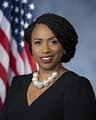 Ayanna Pressley
Democrat · Massachusetts
 Emily Randall
Democrat · Washington