Bill · H.Res. 1623· House(119-HRES-1623)
Expressing support for the recognition of October 2026, as "National Dyslexia Awareness Month".
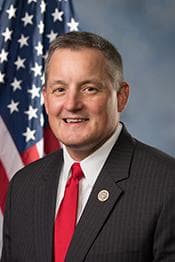
- Introduced
- 10/9/2026
- Last activity
- 10/9/2026 — Referred to the House Committee on Education and Workforce.
- Sponsored by
- Bruce Westerman
- Cosponsors
- - 4 - 2
- Introduced
- In Committee
A House resolution is the House speaking for itself: stating a position, honouring someone, or setting its own rules. Adopting it is the whole process. Once the House agrees to it, it is officially the House's word; it is not a law, so the Senate and the President have no part in it.
What this bill would do
This House Resolution expresses support for recognizing October 2026 as National Dyslexia Awareness Month. The bill highlights that dyslexia is the most common learning disability, affecting up to one out of every five individuals. It notes that dyslexia is defined as an unexpected difficulty in reading for someone with the intelligence to be a much better reader. The text points out that early screening and diagnosis are critical for ensuring individuals get focused, evidence-based intervention. It mentions that the First Step Act of 2018 included a federal statutory definition of dyslexia for screening inmates in Federal prisons. Finally, the resolution calls on Congress, schools, and State and local educational agencies to recognize the educational implications of dyslexia.
Yes· 3 of 5
Would people with disabilities be better off under this?+5
The resolution highlights dyslexia as a prevalent learning disability and encourages focused, evidence-based interventions and accommodations.
Would students be better off under this?+5
The resolution explicitly urges schools and educational agencies to address the educational implications of dyslexia to ensure student success.
Would children be better off under this?+4
Recognizing National Dyslexia Awareness Month promotes early screening and interventions that benefit school-aged children with learning disabilities.
The opposite
No question was scored the opposite.
Who it would affect, and how
Potential Positive Impacts for People
-
Recognition and Awareness: The resolution supports the designation of October 2026 as National Dyslexia Awareness Month, as stated in the resolving clause (2). This could benefit individuals by bringing greater public attention to the condition.
-
Addressing Educational Implications: The resolution calls on Congress, schools, and State and local educational agencies to recognize that dyslexia has significant educational implications that must be addressed, according to resolving clause (1). This can help ensure that the needs of individuals with dyslexia are acknowledged within the education system.
Potential Negative Impacts for People
- No Negative Impacts Found: Based on the text provided, there are no specific sections or provisions that outline negative consequences or burdens for individuals or groups of people in the United States.
Groups and Interests Ranking
Every group the model scored this bill for, from -10 to +10. Hover a score for the reason it gave.
- Demographic And Interest Groups
- Good For People With Disabilities+5Good For Students+5Good For Children+4Good For Young Adults+2
- Education And Technology
- Increases Public School Funding+3
- 10/9/2026
- Submitted in House
- Referred to the House Committee on Education and Workforce.
- 6 Cosponsors added.
 Julia Brownley
Democrat · California
 Don Bacon
Republican · Nebraska
 Suzan DelBene
Democrat · Washington
 Brian Fitzpatrick
Republican · Pennsylvania
 J. Hill
Republican · Arkansas
 Erin Houchin
Republican · Indiana