Bill · H.Res. 1586· House(119-HRES-1586)
Recognizing and honoring the 27th anniversary of the Supreme Court decision in Olmstead v. L.C.
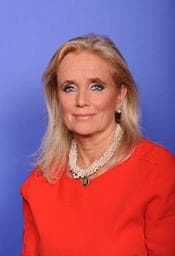
- Introduced
- 9/28/2026
- Last activity
- 9/28/2026 — Referred to the Committee on Education and Workforce, and in addition to the Committee on the Judiciary, for a period to be subsequently determined by the Speaker, in each case for consideration of such provisions as fall within the jurisdiction of the committee concerned.
- Sponsored by
- Debbie Dingell
- Cosponsors
- - 5 - 4
- Introduced
- In Committee
A House resolution is the House speaking for itself: stating a position, honouring someone, or setting its own rules. Adopting it is the whole process. Once the House agrees to it, it is officially the House's word; it is not a law, so the Senate and the President have no part in it.
What this bill would do
H. Res. 1586 recognizes and honors the 27th anniversary of the Supreme Court decision in Olmstead v. L.C. The resolution notes that over 70,000,000 adults with disabilities live in the United States. It affirms the importance of the Olmstead decision and the integration mandate under section 504 of the Rehabilitation Act of 1973 and the Americans with Disabilities Act of 1990. The text highlights that unnecessary segregation of individuals with disabilities limits their opportunities. Finally, it calls on all levels of government to advance policies that allow individuals with disabilities to live and work in integrated community settings.
Yes· 3 of 4
Would people with disabilities be better off under this?+9
The resolution recognizes the anniversary of Olmstead v. L.C. and calls for policies advancing community integration, independence, and employment for individuals with disabilities.
Does this expand the rights of people with disabilities?+8
The resolution honors the anniversary of the Olmstead decision and reaffirms federal commitments to the integration mandate for individuals with disabilities.
Does this make health care easier to get in general?+5
The resolution affirms support for expanding home- and community-based services and integrated settings for individuals with disabilities.
The opposite
No question was scored the opposite.
Who it would affect, and how
Potential Positive Impacts for People
- Paragraph (5) of the resolution calls on Federal, State, and local governments to advance policies that enable individuals with disabilities to live and work in integrated community settings and achieve greater independence. This could be considered positive because it promotes expanded access to competitive integrated employment, education, home- and community-based services, and other supports.
Groups and Interests Ranking
Every group the model scored this bill for, from -10 to +10. Hover a score for the reason it gave.
- Demographic And Interest Groups
- Good For People With Disabilities+9
- Healthcare
- Improves Healthcare Access+5Increases Medicaid Funding+4
- Social Issues And Justice
- Improves Disability Rights+8
- 10/9/2026
- 2 Cosponsors added.
- 10/1/2026
- 1 Cosponsor added.
- 9/28/2026
- Submitted in House
- Referred to the Committee on Education and Workforce, and in addition to the Committee on the Judiciary, for a period to be subsequently determined by the Speaker, in each case for consideration of such provisions as fall within the jurisdiction of the committee concerned.
- 6 Cosponsors added.
 Nikki Budzinski
Democrat · Illinois
 Brian Fitzpatrick
Republican · Pennsylvania
 Thomas Kean
Republican · New Jersey
 Michael Lawler
Republican · New York
 Gwen Moore
Democrat · Wisconsin
 Janice Schakowsky
Democrat · Illinois
 Mary Gay Scanlon
Democrat · Pennsylvania
 Lateefah Simon
Democrat · California
 Joe Wilson
Republican · South Carolina