Bill · H.Res. 1415· House(119-HRES-1415)
Celebrating the country's history of church-state separation and recognizing the 250th anniversary of the founding of the United States.
- Introduced
- 7/2/2026
- Last activity
- 7/2/2026 — Referred to the House Committee on Oversight and Government Reform.
- Sponsored by
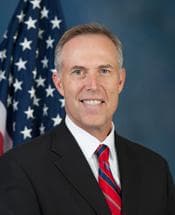
- Jared Huffman
- Cosponsors
- - 22 - 0
- Introduced
- In Committee
A House resolution is the House speaking for itself: stating a position, honouring someone, or setting its own rules. Adopting it is the whole process. Once the House agrees to it, it is officially the House's word; it is not a law, so the Senate and the President have no part in it.
What this bill would do
This resolution celebrates the country's history of separating church and state. It recognizes the upcoming 250th anniversary of the founding of the United States. The text highlights various historical figures and constitutional principles that support religious freedom. It aims to uphold the tradition of allowing individuals to practice their own beliefs or none at all. Finally, it expresses opposition to theocratic impulses that could undermine American freedoms.
Yes· 3 of 4
Does this protect the freedom to practise a religion?+10
The resolution explicitly reaffirms the commitment to the separation of church and state to protect the individual's right to practice any religion or none at all.
Does this make what the government does easier for the public to see?+5
The resolution emphasizes the historical and constitutional standards that public officials are expected to uphold regarding religious neutrality.
Does this protect the individual right to speak freely?+5
By protecting religious pluralism and the right to hold various beliefs, the resolution upholds the essential freedom of conscience and expression.
The opposite
No question was scored the opposite.
Who it would affect, and how
Potential Positive Impacts for People
-
Protection of Religious Freedom: The resolution seeks to continue upholding principles that allow individuals to practice their own version of belief or lack thereof (Resolution Clause 2).
-
Preservation of Religious Pluralism: By reaffirming a commitment to a secular Constitution, the bill aims to protect religious pluralism and democratic self-government (Resolution Clause 4).
-
Safeguard Against Tyranny: The resolution notes that maintaining the separation of church and state serves to guard against tyranny cloaked in religion (Whereas Clause).
Potential Negative Impacts for People
- Opposition to Specific Political Impulses: The resolution explicitly opposes any theocratic impulses that would undermine fundamental American freedoms (Resolution Clause 3).
Groups and Interests Ranking
Every group the model scored this bill for, from -10 to +10. Hover a score for the reason it gave.
- Governance And Ideology
- Improves Freedom Of Speech+5Improves Government Transparency+5
- Social Issues And Justice
- Improves Religious Freedom+10
- Demographic And Interest Groups
- Good For Native Americans+5
- 7/13/2026
- 1 Cosponsor added.
- 7/9/2026
- 2 Cosponsors added.
- 7/2/2026
- Submitted in House
- Referred to the House Committee on Oversight and Government Reform.
- 19 Cosponsors added.
 Yassamin Ansari
Democrat · Arizona
 Suzanne Bonamici
Democrat · Oregon
 Julia Brownley
Democrat · California
 Steve Cohen
Democrat · Tennessee
 Sean Casten
Democrat · Illinois
 Gilbert Cisneros
Democrat · California
 Lloyd Doggett
Democrat · Texas
 Mark DeSaulnier
Democrat · California
 Maxine Dexter
Democrat · Oregon
 Lizzie Fletcher
Democrat · Texas
 Laura Friedman
Democrat · California
 Robert Garcia
Democrat · California
 Val Hoyle
Democrat · Oregon
 Pramila Jayapal
Democrat · Washington
 Zoe Lofgren
Democrat · California
 Kevin Mullin
Democrat · California
 Eleanor Norton
Democrat · District of Columbia
 Mark Pocan
Democrat · Wisconsin
 Jamie Raskin
Democrat · Maryland
 Emily Randall
Democrat · Washington
 Eric Sorensen
Democrat · Illinois
 Jill Tokuda
Democrat · Hawaii