Bill · H.R. 9963· House(119-HR-9963)
North Korean FAKER Act
- Introduced
- 7/27/2026
- Last activity
- 7/27/2026 — Referred to the House Committee on Foreign Affairs.
- Sponsored by
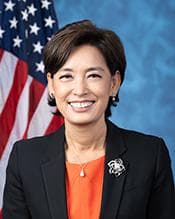
- Young Kim
- Cosponsors
- - 0 - 1
- Introduced
- In Committee
What this bill would do
This bill, known as the "North Korean FAKER Act," authorizes the Secretary of State to work with international allies and partners to stop North Korean fraud and illegal revenue generation. The focus is on stopping deceptive remote employment and identity fraud used to fund North Korea's weapons programs. It allows for international coordination to align sanctions and enhance information sharing regarding money laundering and proliferation networks. The Secretary can also engage with the private sector to improve the detection of these activities. Additionally, the bill permits increasing rewards through the Rewards for Justice Program and publicly attributing illegal workforce schemes to North Korea. Finally, it requires regular reports to Congress regarding these illegal activities and the actions taken to disrupt them.
Yes· 3 of 5
Does this strengthen ties with allied countries?+6
The bill prioritizes coordination with allies and partners to disrupt North Korean revenue.
Does this better protect the country from computer attacks?+5
The bill engages the private sector to enhance detection of North Korean digital activities.
Does this favour talking over confrontation abroad?+5
The bill authorizes using diplomatic tools and engagement to prevent sanctions evasion.
The opposite
No question was scored the opposite.
Who it would affect, and how
Potential Positive Impacts for People
-
Countering Weapons Proliferation: By disrupting illegal revenue from remote worker schemes, the bill seeks to prevent funds from supporting North Korea's ballistic missile, nuclear, chemical, and biological weapons programs (Section 2).
-
International Cooperation and Standards: The bill aims to strengthen international norms and cooperation to detect and deter weapons of mass destruction programs (Section 2).
-
Enhanced Detection through Private Sector Engagement: The Secretary is authorized to work with cybersecurity firms, financial institutions, and digital asset platforms to better detect and disrupt North Korean activities (Section 3(b)(1)).
-
Increased Incentives for Information: The bill allows for increasing rewards through the Rewards for Justice Program to facilitate the identification and disruption of illegal activities (Section 3(c)(1)).
-
Public Awareness: Through public attribution of illegal schemes and joint advisories, the bill aims to increase public awareness of North Korea's weapons proliferation activities (Section 3(d)).
Potential Negative Impacts for People
-
Economic Measures and Sanctions: The bill authorizes the use of sanctions and economic measures against countries that host or fail to prevent illegal remote workforce activity (Section 3(a)(3)).
-
Targeting Specific Entities: The Secretary is authorized to align sanctions against persons who knowingly engage in or facilitate remote information technology worker schemes on behalf of North Korea (Section 3(a)(1)).
Groups and Interests Ranking
Every group the model scored this bill for, from -10 to +10. Hover a score for the reason it gave.
- National Security And Foreign Policy
- Improves International Alliances+6Improves Cybersecurity Defense+5Improves Diplomatic Engagement+5
- Governance And Ideology
- Improves Government Transparency+4Increases Federal Power+3
- 7/27/2026
- Referred to the House Committee on Foreign Affairs.
- 1 Cosponsor added.
- Introduced in House
 Ami Bera
Democrat · California