Bill · H.R. 9960· House(119-HR-9960)
Higher Education Access and Success for Homeless and Foster Youth Act of 2026
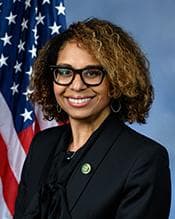
- Introduced
- 7/27/2026
- Last activity
- 7/27/2026 — Referred to the House Committee on Education and Workforce.
- Sponsored by
- Sydney Kamlager-Dove
- Cosponsors
- - 0 - 1
- Introduced
- In Committee
What this bill would do
This bill, titled the "Higher Education Access and Success for Homeless and Foster Youth Act of 2026," aims to amend the Higher Education Act of 1965. It seeks to improve the financial aid process specifically for homeless and foster care youth. The legislation introduces new definitions for these groups and mandates that institutions provide designated liaisons to assist them. It also requires institutions to provide better access to housing and student support services. Additionally, the bill adjusts various federal programs to ensure better outreach and retention of these students. Finally, it mandates tuition protections and requires reports to track progress and effectiveness.
Yes· 3 of 12
Would students be better off under this?+9
The bill significantly improves resources and protections for vulnerable student populations.
Does this make housing cost less?+9
The bill requires institutions to provide housing access and priority for homeless and foster youth.
Does this make college cost less?+9
The bill improves affordability by protecting tuition rates and enhancing financial aid access.
The opposite
No question was scored the opposite.
Who it would affect, and how
Potential Positive Impacts for People
-
Improved Support and Guidance: Institutions must designate trained staff members to act as liaisons to help students access services like financial aid, academic advising, housing, food, and mental health care (Section 4, subsection b).
-
Enhanced Housing Access: Institutions will be required to provide a way for students to access housing if they face delays in receiving financial vouchers (Section 4, subsection a). Additionally, institutions must give priority for housing facilities to homeless, unaccompanied, and foster care youth (Section s 4, subsection b).
-
Streamlined Complaint Resolution: The Student Loan Ombudsman will be tasked with receiving and resolving complaints regarding a student's independence more quickly (Section 3).
-
Protection Against High Tuition: States are prohibited from charging homeless or foster care youth tuition and fees at a rate higher than what is charged to residents at public institutions (Section 14).
-
Increased Outreach and Retention: Federal programs like TRIO, Talent Search, Upward Bound, and Student Support Services are required to conduct outreach and revise policies to remove barriers to participation and retention for these students (Sections 5, 6, 7, 8, and 11).
-
Priority in Employment: Federal Work-Study programs will prioritize employment for students who are homeless or foster care youth (Section 12).
Potential Negative Impacts for People
- No specific negative impacts or burdens are explicitly mentioned in the provided text.
Groups and Interests Ranking
Every group the model scored this bill for, from -10 to +10. Hover a score for the reason it gave.
- Demographic And Interest Groups
- Good For Students+9Good For Low Income Households+8Good For Young Adults+8Good For Children+7
- Social Issues And Justice
- Improves Affordable Housing+9Improves Poverty Reduction+6Improves Childcare Affordability+5Reduces Homelessness+5
- Healthcare
- Improves Mental Health Access+8Improves Healthcare Access+7
- Education And Technology
- Improves College Affordability+9
- Governance And Ideology
- Improves Government Transparency+4
- 7/27/2026
- Referred to the House Committee on Education and Workforce.
- 1 Cosponsor added.
- Introduced in House
5 bills Congress.gov lists as related to this one — companions in the other chamber, earlier versions, and bills this one absorbed or was folded into.
 Erin Houchin
Republican · Indiana