Bill · H.R. 9838· House(119-HR-9838)
National Security Interstate Pipeline Act
- Introduced
- 7/22/2026
- Last activity
- 7/22/2026 — Referred to the Committee on Energy and Commerce, and in addition to the Committees on Transportation and Infrastructure, and Natural Resources, for a period to be subsequently determined by the Speaker, in each case for consideration of such provisions as fall within the jurisdiction of the committee concerned.
- Sponsored by
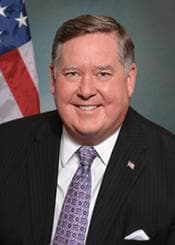
- Ken Calvert
- Cosponsors
- - 8 - 0
- Introduced
- In Committee
What this bill would do
This bill creates a fast-track process for approving interstate oil and natural gas pipelines that are labeled as critical to national security. The President is given the power to designate these specific pipeline projects. Once designated, a single federal agency takes charge of all permits and environmental reviews, bypassing normal delays. State, local, and tribal governments are blocked from enforcing laws or requiring permits that could slow down these projects. The bill also allows the President to completely waive major environmental laws if they cause unacceptable delays.
Yes· 3 of 5
Does this give the federal government more power?+8
The bill centralizes authority in the Federal Energy Regulatory Commission and preempts state and local regulations.
Does this repair or build roads and bridges?+1
The bill streamlines the development of critical energy transportation infrastructure.
Would high-income households be better off under this?+1
Energy infrastructure stability can benefit broader economic sectors.
The opposite· 3 of 9
Does this leave more decisions to the states?-9
The bill prohibits states and local governments from enforcing regulations that delay or increase the cost of covered projects.
Does this better protect air, water and wildlife?-8
The bill authorizes the President to waive major environmental laws such as the Endangered Species Act and the Clean Air Act.
Does this cut the pollution that drives climate change?-5
The bill allows the President to waive environmental laws like the Clean Air Act, which could increase pollution.
Who it would affect, and how
Potential Positive Impacts for People
-
Protements for Landowners: Section 3(c)(2) requires pipeline companies to make a good-faith effort to negotiate with landowners and provide a written offer of just compensation at least 60 days before starting any eminent domain proceedings. This ensures property owners receive fair market value, separate payment for temporary construction workspaces, and compensation for any damage to the remaining property.
-
Notice and Appraisals: Section 3(c)(4) requires certificate holders to give property owners written notice at least 30 days before filing a condemnation complaint. This notice must include a description of the property, a written appraisal from an independent appraiser, and a statement informing owners of their right to get their own independent appraisal and contest the offered compensation.
Potential Negative Impacts for People
-
Loss of Local Control: Section 3(e) strips state, tribal, and local governments of their power to enforce laws, regulations, or permits that might delay or increase the cost of a covered pipeline project. This means local communities lose their traditional voice and ability to set local conditions on pipelines built in their own backyards.
-
Bypassing Environmental Protections: Section 3(f) grants the President the authority to completely waive compliance with major environmental laws, including the National Environmental Policy Act, the Clean Air Act, the Federal Water Pollution Control Act, and the Endangered Species Act, if they might cause unacceptable delays. This removes crucial public safeguards meant to protect local air, water, and wildlife.
Groups and Interests Ranking
Every group the model scored this bill for, from -10 to +10. Hover a score for the reason it gave.
- Environment Energy And Infrastructure
- Improves Roads And Bridges+1Improves Environmental Protections-8Reduces Carbon Emissions-5Reduces Fossil Fuel Production-3
- Demographic And Interest Groups
- Good For High Income Households+1Good For Farmers-4Good For Rural Residents-3Good For Low Income Households-2
- Governance And Ideology
- Increases Federal Power+8Increase States Rights-9Improves Due Process-4
- Economy And Finance
- Improves Small Business Support+1
- National Security And Foreign Policy
- Improves Veterans Benefits+1
- Social Issues And Justice
- Improves Affordable Housing-1
- 9/28/2026
- 1 Cosponsor added.
- 7/22/2026
- Referred to the Committee on Energy and Commerce, and in addition to the Committees on Transportation and Infrastructure, and Natural Resources, for a period to be subsequently determined by the Speaker, in each case for consideration of such provisions as fall within the jurisdiction of the committee concerned.
- 7 Cosponsors added.
- Introduced in House
 Vince Fong
Republican · California
 James Gallagher
Republican · California
 Darrell Issa
Republican · California
 Nathaniel Moran
Republican · Texas
 Jay Obernolte
Republican · California
 Dale Strong
Republican · Alabama
 Jefferson Shreve
Republican · Indiana
 David Valadao
Republican · California