Bill · H.R. 9728· House(119-HR-9728)
Protecting America’s Diplomatic Workforce Act
- Introduced
- 7/16/2026
- Last activity
- 7/16/2026 — Referred to the Committee on Foreign Affairs, and in addition to the Committee on Agriculture, for a period to be subsequently determined by the Speaker, in each case for consideration of such provisions as fall within the jurisdiction of the committee concerned.
- Sponsored by
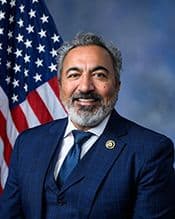
- Ami Bera
- Cosponsors
- - 7 - 0
- Introduced
- In Committee
What this bill would do
This bill, known as the "Protecting America's Diplomatic Workforce Act," aims to amend the Foreign Service Act of 1980. It seeks to modify requirements for reductions in force affecting Foreign Service officers and certain other Federal employees. The legislation introduces new transparency and justification requirements for agencies performing significant workforce reductions. It also establishes specific procedures for Foreign Service reductions in force, including worldwide competitive areas and specific notice periods. Additionally, the bill requires consultation regarding significant changes to the Foreign Affairs Manual.
Yes· 3 of 4
Does this make what the government does easier for the public to see?+6
The bill mandates detailed explanations and congressional briefings before significant workforce reductions or manual changes occur.
Does this increase the pay, pensions or support veterans receive?+1
The bill provides military preference as a consideration in Foreign Service reduction in force determinations.
Does this strengthen ties with allied countries?+1
The bill requires agencies to assess how workforce reductions might impact United States diplomatic presence and engagement.
The opposite
No question was scored the opposite.
Who it would affect, and how
Potential Positive Impacts for People
-
Increased Transparency for Large Workforce Reductions: Under Section 2(a) and (b), a covered agency is generally prohibited from separating more than 50 employees in a 6-month period without providing a detailed explanation to congressional committees. This includes steps taken to exhaust other options, such as reassigning employees, and justifications for the reduction.
-
Mission and Diplomacy Assessments: Section 2(b)(1)(C) and (D) require agencies to assess how a reduction in force might negatively impact their ability to carry out statutory missions and how it affects United States diplomatic presence and the ability to compete with adversaries.
-
Standardized Foreign Service Criteria: Section 3(a)(3)(c) dictates that reduction in force procedures should be designed to ensure determinations are based primarily on performance as determined by previous selection board rankings, while also considering tenure, language capabilities, and military preference.
-
Improved Notice for Foreign Service Members: Section 3(a)(3)(d) requires that members of the Service be given 120 days advance notice of separation, though it allows for a minimum of 60 days.
-
Enhanced Employee Protections and Grievance Authority: Section 3(a)(3)(e) ensures members of the Service receive the same protections as career members of the civil service during a transfer of function, and Section 3(a)(3) grants the Foreign Service Grievances Board the same authority as the Merit Systems Protection Board to adjudicate grievances.
-
Advance Warning for Manual Changes: Section 5 requires the Secretary of State to provide notice and consult with congressional committees 30 days before effectuating significant changes in the Foreign Affairs Manual.
Potential Negative Impacts for People
-
Increased Competition for Foreign Service Members: Under Section 3(a)(3)(b), the competitive area for a reduction in force is defined as worldwide, meaning employees of the same rank and cone or specialist must compete against each other for retention.
-
Mandatory Notice Periods for Civil Service: Section 4 establishes a 60-day notice period for a reduction in force pursuant to section 3502 of title 5, United States Code, at a covered agency.
Groups and Interests Ranking
Every group the model scored this bill for, from -10 to +10. Hover a score for the reason it gave.
- Governance And Ideology
- Improves Government Transparency+6
- National Security And Foreign Policy
- Improves International Alliances+1Improves Veterans Benefits+1
- Demographic And Interest Groups
- Good For Veterans+1
- 8/6/2026
- 1 Cosponsor added.
- 7/20/2026
- 1 Cosponsor added.
- 7/16/2026
- Referred to the Committee on Foreign Affairs, and in addition to the Committee on Agriculture, for a period to be subsequently determined by the Speaker, in each case for consideration of such provisions as fall within the jurisdiction of the committee concerned.
- 5 Cosponsors added.
- Introduced in House
One bill Congress.gov lists as related to this one — companions in the other chamber, earlier versions, and bills this one absorbed or was folded into.
 Veronica Escobar
Democrat · Texas
 Sarah McBride
Democrat · Delaware
 Eleanor Norton
Democrat · District of Columbia
 Johnny Olszewski
Democrat · Maryland
 Mike Quigley
Democrat · Illinois
 Brad Sherman
Democrat · California
 Eugene Vindman
Democrat · Virginia