Bill · H.R. 9698· House(119-HR-9698)
Advanced Coursework Equity Act
- Introduced
- 7/15/2026
- Last activity
- 7/15/2026 — Referred to the House Committee on Education and Workforce.
- Sponsored by
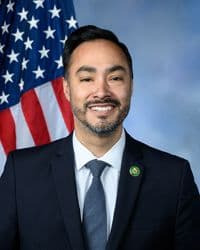
- Joaquin Castro
- Cosponsors
- - 6 - 0
- Introduced
- In Committee
What this bill would do
The Advanced Coursework Equity Act aims to increase access to advanced courses and programs in elementary and secondary schools. It seeks to expand these opportunities specifically for under-resourced schools and historically underrepresented student groups. The bill focuses on improving enrollment through mechanisms like universal screening and open enrollment. It also emphasizes equipping students with STEM skills necessary for college and the workforce. Funding is provided through various grant programs for State educational agencies, local educational agencies, and nonprofit entities. The goal is to bridge inequities in academic participation and performance across diverse student populations.
Yes· 3 of 9
Would households on low incomes be better off under this?+7
The act provides funding to cover advanced coursework fees and provides direct services like tutoring for low-income students.
Would Black Americans be better off under this?+7
The bill addresses the specific underrepresentation of Black students in advanced and AP programs.
Would Hispanic Americans be better off under this?+7
The bill seeks to increase the participation of Latino students in advanced coursework.
The opposite
No question was scored the opposite.
Who it would affect, and how
Potential Positive Impacts for People
-
Increased Access to Advanced Learning: The bill seeks to expand access to advanced courses and programs in under-resourced schools (Section 2(1)).
-
Improved STEM Preparedness: It aims to equip more students, especially those from historically underrepresented groups, with 21st-century STEM skills needed for college and the workforce (Section 2(3)).
-
Equitable Enrollment Practices: The act promotes more equitable practices so all students ready for rigorous coursework can participate (Section 2(2)).
-
Support for Low-Income Students: Grants can be used to cover the cost of advanced coursework fees for students with low incomes (Section 7(b)(3)).
-
Direct Academic Support: Funds can be used for direct services, such as tutoring, to help students from underrepresented groups succeed in advanced programs (Section 7(a)(6)).
-
Help for Rural and Underserved Areas: Nonprofit entities can receive grants to provide services to students in rural areas or those who lack access to advanced courses (Section 5(a)(1)(C)).
Potential Negative Impacts for People
-
Potential Burden of Universal Screening: While designed for equity, universal screening requires specific assessments that must include appropriate accommodations for students with disabilities (Section 4(5)(A)(ii)).
-
Opt-out Requirements: Under the universal screening mechanism, students are automatically enrolled unless a parent explicitly chooses to opt out (Section 4(5)).
Groups and Interests Ranking
Every group the model scored this bill for, from -10 to +10. Hover a score for the reason it gave.
- Demographic And Interest Groups
- Good For African Americans+7Good For Hispanic Americans+7Good For Low Income Households+7Good For Native Americans+7Good For Children+6Good For People With Disabilities+5Good For Rural Residents+5
- Social Issues And Justice
- Improves Racial Equity+7
- Education And Technology
- Improves College Affordability+3
- 7/15/2026
- Referred to the House Committee on Education and Workforce.
- 6 Cosponsors added.
- Introduced in House
3 bills Congress.gov lists as related to this one — companions in the other chamber, earlier versions, and bills this one absorbed or was folded into.
 Jasmine Crockett
Democrat · Texas
 Jesús García
Democrat · Illinois
 Stephen Lynch
Democrat · Massachusetts
 Eleanor Norton
Democrat · District of Columbia
 Raul Ruiz
Democrat · California
 Rashida Tlaib
Democrat · Michigan