Bill · H.R. 957· House(119-HR-957)
Parity Enforcement Act of 2025
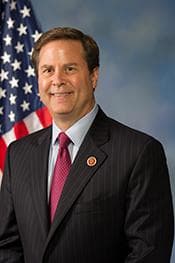
- Introduced
- 2/4/2025
- Last activity
- 2/4/2025 — Referred to the House Committee on Education and Workforce.
- Sponsored by
- Donald Norcross
- Cosponsors
- - 5 - 1
- Introduced
- In Committee
What this bill would do
This bill, known as the "Parity Enforcement Act of 2025," aims to establish civil monetary penalties for violations of mental health and substance use disorder parity requirements. It seeks to amend the Employee Retirement Income Security Act of 1974. The legislation expands the entities subject to penalties to include plan sponsors, service providers, or plan administrators of a group health plan. These penalties apply to failures to meet specific requirements regarding mental health and substance use disorder benefits. The changes will apply to group health plans or health insurance issuers for plan years beginning more than one year after the Act is enacted.
Yes· 3 of 7
Does this make mental health care easier to get?+5
The bill improves access to mental health services by establishing civil monetary penalties for failing to meet parity requirements.
Does this strengthen the Affordable Care Act?+4
The bill strengthens the enforcement of mental health and substance use disorder parity requirements within group health plans.
Does this do more about addiction and overdose deaths?+4
The bill supports the response to substance use disorders by enforcing parity in benefits for these conditions.
The opposite
No question was scored the opposite.
Who it would affect, and how
Potential Positive Impacts for People
-
Increased Accountability for Mental Health Parity: By establishing civil monetary penalties for failures to meet requirements regarding parity in mental health and substance use disorder benefits, the bill creates a mechanism to penalize those who do not comply with these standards (Section 2(a)(1)(A)(ii)).
-
Broadened Scope of Responsibility: The bill expands the list of responsible parties to include any plan sponsor, service provider, or administrator, ensuring that multiple entities involved in a group health plan can be held accountable for violations (Section 2(a)(1)(A)).
Potential Negative Impacts for People
- Delayed Implementation: The benefits or enforcement measures introduced by these amendments do not apply until plan years beginning after one year from the date of enactment, meaning the new protections or penalties are not immediate (Section 2(c)).
Groups and Interests Ranking
Every group the model scored this bill for, from -10 to +10. Hover a score for the reason it gave.
- Healthcare
- Improves Mental Health Access+5Improves Opioid Crisis Response+4Increases Affordable Care Act Support+4Improves Healthcare Access+3
- Demographic And Interest Groups
- Good For People With Disabilities+4Good For Middle Class Households+3Good For Low Income Households+2
- 2/7/2025
- 1 Cosponsor added.
- 2/6/2025
- 1 Cosponsor added.
- 2/4/2025
- Referred to the House Committee on Education and Workforce.
- 4 Cosponsors added.
- Introduced in House
One bill Congress.gov lists as related to this one — companions in the other chamber, earlier versions, and bills this one absorbed or was folded into.
 Joe Courtney
Democrat · Connecticut
 Brian Fitzpatrick
Republican · Pennsylvania
 Henry Johnson
Democrat · Georgia
 Eleanor Norton
Democrat · District of Columbia
 Mark Pocan
Democrat · Wisconsin
 Dina Titus
Democrat · Nevada