Bill · H.R. 9509· House(119-HR-9509)
Kidney Disease Education Access Expansion Act of 2026
- Introduced
- 6/29/2026
- Last activity
- 6/29/2026 — Referred to the Committee on Energy and Commerce, and in addition to the Committee on Ways and Means, for a period to be subsequently determined by the Speaker, in each case for consideration of such provisions as fall within the jurisdiction of the committee concerned.
- Sponsored by
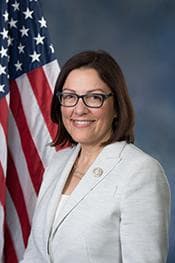
- Suzan DelBene
- Cosponsors
- - 2 - 2
- Introduced
- In Committee
What this bill would do
The Kidney Disease Education Access Expansion Act of 2026 seeks to change how kidney disease education is covered under Medicare and private health insurance. It expands the list of qualified people who can provide these services to include various medical professionals and community health workers. The bill broadens eligibility to include those with hypertension, diabetes, or other risk factors rather than just those at advanced stages. It also expands the types of education provided, such as transplant assistance and therapeutic options. Additionally, it incorporates kidney disease screening into initial preventive physical exams and annual wellness visits. Finally, it requires the creation of a working group to evaluate the effectiveness of these education services.
Yes· 3 of 23
Would people over 65 be better off under this?+9
Seniors are a primary demographic for Medicare and the most likely to suffer from kidney disease.
Would retired people be better off under this?+9
Retirees using Medicare benefit directly from expanded eligibility and provider options.
Does this make health care easier to get in general?+8
Significantly expands access to kidney disease education via telehealth, group settings, and a wider range of providers.
The opposite
Does this lower what people pay for private health insurance?-1
Mandating kidney education as a preventive service under private insurance may lead to marginal premium increases.
Does this reduce what the federal government owes?-1
Increased Medicare coverage and spending on education services may slightly increase federal expenditures.
Does this reduce what the federal government spends?-1
Expanding eligible patients and providers under Medicare increases government healthcare spending.
Who it would affect, and how
Potential Positive Impacts for People
-
Broader Eligibility for Education: The bill expands the group of people eligible for kidney disease education to include individuals with hypertension, diabetes, or any stage of chronic kidney disease, rather than only those at stage IV (Section 2(a)(2)).
-
Increased Access to Providers: The definition of a "qualified person" is expanded to include physician assistants, registered nurses, nurse practitioners, clinical nurse specialists, clinical social workers, registered dietitians, and trained community health workers (Section 2(a)(1)).
-
Enhanced Educational Scope: Education services will now include therapeutic options to slow kidney function decline, caregiver training for new transplant recipients, and transition assistance for individuals who have received a kidney transplant (Section 2(a)(3)(B)).
-
Improved Screening Access: The bill adds screenings for chronic kidney disease, kidney failure, and rare kidney diseases to the initial preventive physical examination (Section 2(b)) and includes kidney disease screenings in annual wellness visits (Section 2(c)).
-
Flexible Learning Options: Education services can now be provided in individual or group settings and can include the presence of a caregiver (Section 2(a)(3)(A)).
-
Expanded Service Delivery: Kidney disease education services are explicitly included as a service that can be furnished through telehealth (Section 2(e)).
-
Private Insurance Coverage: The bill adds kidney disease education services as a preventive service under private health insurance (Section 4(a)).
Potential Negative Impacts for People
- No specific negative impacts are explicitly detailed in the text of the bill.
Groups and Interests Ranking
Every group the model scored this bill for, from -10 to +10. Hover a score for the reason it gave.
- Demographic And Interest Groups
- Good For Retirees+9Good For Seniors+9Good For Rural Residents+7Good For African Americans+6Good For Hispanic Americans+6Good For Low Income Households+6Good For Native Americans+6Good For Middle Aged+5Good For Middle Class Households+5Good For People With Disabilities+5Good For Asian Americans+4Good For Urban Residents+4Good For White Americans+4Good For High Income Households+3Good For Farmers+2
- Healthcare
- Improves Healthcare Access+8Reduces Hospital Costs+4Increases Medicare Funding+3Increases Research Funding+2Reduces Private Insurance Premiums-1
- Social Issues And Justice
- Improves Racial Equity+3
- Environment Energy And Infrastructure
- Improves Rural Development+2
- Governance And Ideology
- Increases Federal Power+1
- Economy And Finance
- Increases Job Creation+2Reduces Government Spending-1Reduces National Debt-1
- 9/14/2026
- 2 Cosponsors added.
- 9/10/2026
- 1 Cosponsor added.
- 6/29/2026
- Referred to the Committee on Energy and Commerce, and in addition to the Committee on Ways and Means, for a period to be subsequently determined by the Speaker, in each case for consideration of such provisions as fall within the jurisdiction of the committee concerned.
- 1 Cosponsor added.
- Introduced in House
 John Joyce
Republican · Pennsylvania
 Michael Lawler
Republican · New York
 Sarah McBride
Democrat · Delaware
 Mark Pocan
Democrat · Wisconsin