Bill · H.R. 9409· House(119-HR-9409)
Remote Control Locomotives Safety Improvement Act of 2026
- Introduced
- 6/23/2026
- Last activity
- 6/23/2026 — Referred to the House Committee on Transportation and Infrastructure.
- Sponsored by
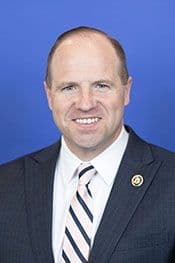
- Timothy Kennedy
- Cosponsors
- - 0 - 1
- Introduced
- In Committee
What this bill would do
This bill, known as the "Remote Control Locomotives Safety Improvement Act of 2026," aims to restrict how remote control locomotives are used. It prohibits railroad carriers from operating a train outside of a yard without a human locomotive engineer physically located inside the cab of the lead locomotive. Additionally, it bans the operation of remote control locomotives on a main line. For main line operations, a certified locomotive engineer must be physically present in the locomotive cab. The Act also restricts the Secretary from granting waivers for these requirements to certain railroad classes.
Yes
Would union members be better off under this?+7
The bill mandates that human engineers be physically present in the locomotive cab, protecting roles that might otherwise be replaced by remote technology.
Is this likely to create jobs?+5
The bill requires human locomotive engineers to be physically present in cabs, which increases the demand for qualified personnel.
The opposite
Would business owners be better off under this?-6
The bill imposes significant new operational requirements and strict civil penalties of up to $1,000,000 or 1 percent of income on railroad carriers.
Does this make what the government does easier for the public to see?-3
The bill explicitly exempts its provisions from the standard rulemaking requirements of section 553 of title 5, which reduces public notice and comment opportunities.
Who it would affect, and how
Potential Positive Impacts for People
-
Enhanced Safety Requirements: Under Section 2(a), a railroad carrier may not operate a train outside a yard without a human locomotive engineer physically located inside the cab of the lead locomotive who can take control.
-
Main Line Protections: Section 2(b) requires that any train operated on a main line must have a lead locomotive with a locomotive cab operated by a certified locomotive engineer who is physically located inside the cab.
-
Strict Compliance Oversight: Section 3 mandates that the Administrator of the Federal Railroad Administration carry out audits and inspections of class I railroads within 180 days, and unscheduled audits for other covered rail carriers within one year, to ensure they are following the Act.
-
Significant Penalties for Violations: Section 5 establishes that any person violating this Act is liable for a civil penalty, which can be as high as $1,000,000 or 1 percent of the person's annual income or operating income.
Potential Negative Impacts for People
-
Restriction of Waiver Authority: Under Section 2(c), the Secretary is prohibited from waiving the requirements of this section for class I or class II railroads, or for any train operating on track classified as class 1 or above.
-
Reduced Regulatory Process: Section 2(d) specifies that the requirements of section 553 of title 5, United States Code, shall not apply to this section, which impacts the typical rulemaking process.
Groups and Interests Ranking
Every group the model scored this bill for, from -10 to +10. Hover a score for the reason it gave.
- Economy And Finance
- Increases Job Creation+5
- Governance And Ideology
- Improves Government Transparency-3
- Demographic And Interest Groups
- Good For Union Workers+7Good For Business Owners-6
- 6/23/2026
- Referred to the House Committee on Transportation and Infrastructure.
- 1 Cosponsor added.
- Introduced in House
 Michael Lawler
Republican · New York