Bill · H.R. 9389· House(119-HR-9389)
Nutrition Education and Chronic Disease Prevention in Community Health Centers Act of 2026
- Introduced
- 6/23/2026
- Last activity
- 6/25/2026 — Forwarded by Subcommittee to Full Committee by Voice Vote.
- Sponsored by
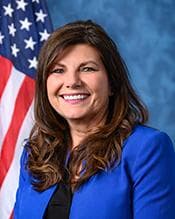
- Diana Harshbarger
- Cosponsors
- None
- Introduced
- In Committee
What this bill would do
This bill, titled the "Nutrition Education and Chronic Disease Prevention in Community Health Centers Act of 2026," seeks to amend the Public Health Service Act. It aims to authorize funding for nutrition education and the prevention of chronic diseases at federally qualified health centers. The Secretary would support these centers in integrating evidence-based nutrition education and counseling into primary care and workforce training. Funds may be used for various services, including dietary counseling, training for providers, and creating interdisciplinary care models. The bill also establishes priorities for health centers serving specific high-need populations. Finally, it requires annual reports to Congress regarding the use of funds and their impact.
Yes· 3 of 13
Would households on low incomes be better off under this?+5
The bill prioritizes health centers serving populations facing food insecurity and nutrition-related health disparities.
Does this make health care easier to get in general?+5
The bill expands healthcare services by integrating nutrition education, counseling, and interdisciplinary care models into community health centers.
Does this strengthen the Affordable Care Act?+4
The bill utilizes existing funding available under the Patient Protection and Affordable Care Act to support nutrition and chronic disease management.
The opposite
No question was scored the opposite.
Who it would affect, and how
Potential Positive Impacts for People
-
Integration of Nutrition Services: The bill allows for patient-centered nutrition education, counseling, and the integration of nutrition assessment into chronic disease management (Section 2, subsection (r)(2)(A) and (B)). This could help individuals manage their health through better dietary practices.
-
Workforce Training: Funding can be used for training and continuing education in nutrition science for health center providers (Section 2, subsection (r)(2)(C)). This could lead to more informed healthcare providers.
-
Interdisciplinary Care Models: The bill supports models of care that include registered dietitians and community health workers (Section 2, subsection (r)(2)(D)). This could provide patients with a broader range of professional support.
-
Culturally Appropriate Resources: There is a provision for developing nutrition education materials that are culturally and linguistically appropriate (Section 2, subsection (r)(2)(E)). This could make health information more accessible and relevant to diverse populations.
-
Targeted Support for High-Need Areas: The Secretary is directed to prioritize health centers that serve populations facing high rates of diet-related chronic disease, food insecurity, or nutrition-related health disparities (Section 2, subsection (r)(4)). This focuses resources on those who may need them most.
Potential Negative Impacts for People
- No specific negative impacts are explicitly detailed in the text provided.
Groups and Interests Ranking
Every group the model scored this bill for, from -10 to +10. Hover a score for the reason it gave.
- Demographic And Interest Groups
- Good For Low Income Households+5Good For African Americans+3Good For Hispanic Americans+3Good For Seniors+3Good For Children+2Good For Urban Residents+2
- Healthcare
- Improves Healthcare Access+5Increases Affordable Care Act Support+4Increases Medicaid Funding+3Increases Research Funding+3
- Social Issues And Justice
- Improves Racial Equity+4Improves Poverty Reduction+2
- Governance And Ideology
- Improves Government Transparency+3
- 6/25/2026
- Subcommittee Consideration and Mark-up Session Held
- Forwarded by Subcommittee to Full Committee by Voice Vote.
- 6/23/2026
- Referred to the Subcommittee on Health.
- Referred to the House Committee on Energy and Commerce.
- Introduced in House