Bill · H.R. 9385· House(119-HR-9385)
PROTECT USA Act of 2026
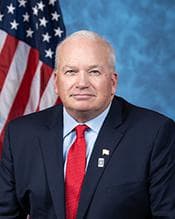
- Introduced
- 6/22/2026
- Last activity
- 9/16/2026 — Ordered to be Reported by the Yeas and Nays: 25 - 20.
- Sponsored by
- Scott Fitzgerald
- Cosponsors
- None
- Introduced
What this bill would do
The PROTECT USA Act of 2026 aims to stop companies vital to United States national interests from following foreign sustainability due diligence regulations. This includes specific restrictions on the European Union's Corporate Sustainability Due Diligence Directive and similar foreign laws. The bill prohibits these entities from performing environmental or social impact assessments or reporting required by such foreign laws. It also prevents any person from taking adverse actions against these companies due to their compliance with this Act. Finally, it ensures that foreign court judgments regarding these sustainability regulations are not recognized in U.S. courts.
Yes· 3 of 8
Would business owners be better off under this?+5
The bill protects large, integral business entities from the costs and restrictions of foreign sustainability due diligence.
Is this likely to grow the economy?+4
The bill aims to protect U.S. competitiveness and innovation by removing foreign regulatory burdens.
Is this likely to create jobs?+3
The bill seeks to protect employment stability by preventing foreign regulations from harming essential U.S. entities.
The opposite
Does this better protect air, water and wildlife?-6
The bill explicitly prohibits companies from performing the environmental impact assessments required by foreign sustainability laws.
Does this strengthen ties with allied countries?-4
The bill's restriction on compliance with foreign regulations like the EU's directive may strain relations with international allies.
Who it would affect, and how
Potential Positive Impacts for People
-
Protection of Economic Stability and Employment: The bill finds that foreign restrictions can have serious adverse effects on employment and economic stability; by prohibiting compliance with these foreign regulations, it seeks to protect these interests (Section 2).
-
Maintaining Competitiveness and Innovation: The bill states that foreign sustainability regimes can pose risks to United States competitiveness and innovation; preventing compliance with these regulations is intended to mitigate those risks (Section 2).
-
Securing Energy and Infrastructure: The bill notes that maintaining a robust energy supply is essential for domestic advanced technologies like data centers; the act helps protect this through its prohibitions (Section 2).
-
Hardship Relief for Companies: Companies that face particular hardship due to these prohibitions can petition the President for an exemption (Section 4).
Potential Negative Impacts for People
-
Prohibition of Compliance: Entities integral to the national interests of the United States are prohibited from complying with foreign sustainability due diligence regulations, which includes assessments of environmental or social impacts and the reporting of those impacts (Section 3 and Section 4).
-
Restrictions on Legal Recourse: The bill prevents the recognition of judgments by foreign courts against these specific entities in United States courts (Section 5).
-
Presidential Discretion in Relief: While a petition for hardship relief is generally granted, the President has the power to deny these petitions if they believe it is contrary to national interests (Section 4).
Groups and Interests Ranking
Every group the model scored this bill for, from -10 to +10. Hover a score for the reason it gave.
- Economy And Finance
- Improves Economic Growth+4Increases Job Creation+3Improves Small Business Support+1
- Demographic And Interest Groups
- Good For Business Owners+5Good For Union Workers+2
- Environment Energy And Infrastructure
- Improves Rural Development+2Improves Environmental Protections-6
- Education And Technology
- Improves Intellectual Property Fairness+2
- National Security And Foreign Policy
- Improves International Trade+3Improves International Alliances-4
- 9/16/2026
- Committee Consideration and Mark-up Session Held
- Ordered to be Reported by the Yeas and Nays: 25 - 20.
- 9/1/2026
- Subcommittee Consideration and Mark-up Session Held
- Forwarded by Subcommittee to Full Committee (Amended) by Voice Vote.
- 6/22/2026
- Referred to the Committee on Energy and Commerce, and in addition to the Committee on the Judiciary, for a period to be subsequently determined by the Speaker, in each case for consideration of such provisions as fall within the jurisdiction of the committee concerned.
- Referred to the Subcommittee on Commerce, Manufacturing, and Trade.
- Introduced in House
2 bills Congress.gov lists as related to this one — companions in the other chamber, earlier versions, and bills this one absorbed or was folded into.