Bill · H.R. 9362· House(119-HR-9362)
District of Columbia Courts Judicial Vacancy Reduction Act
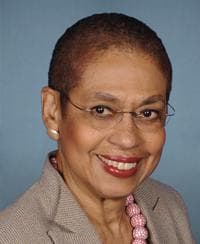
- Introduced
- 6/18/2026
- Last activity
- 6/18/2026 — Referred to the Committee on Oversight and Government Reform, and in addition to the Committee on Rules, for a period to be subsequently determined by the Speaker, in each case for consideration of such provisions as fall within the jurisdiction of the committee concerned.
- Sponsored by
- Eleanor Norton
- Cosponsors
- None
- Introduced
- In Committee
What this bill would do
This bill is called the District of Columbia Courts Judicial Vacancy Reduction Act. It changes how judges are appointed to the District of Columbia courts by removing the requirement for Senate advice and consent. Instead, judges will be appointed automatically from a list of persons recommended by the District of Columbia Judicial Nomination Commission. The bill also gives Congress the authority to prevent an appointment by passing a joint resolution of disapproval within a specific 30-calendar-day period. Furthermore, it outlines transition rules for any currently pending nominations at the time the act is passed.
Yes· 3 of 6
Would people in cities be better off under this?+5
Residents of the District of Columbia benefit directly from an expedited judicial appointment process that reduces court backlogs.
Does this leave more decisions to the states?+5
The legislation streamlines the District of Columbia court appointment process by removing the Senate confirmation requirement, granting more local autonomy.
Would Black Americans be better off under this?+2
As residents of the District of Columbia, African Americans benefit from more efficient local court staffing and increased self-governance.
The opposite
Does this give the federal government more power?-2
The bill allows Congress to block local judicial appointments through a resolution of disapproval, retaining federal oversight.
Who it would affect, and how
Potential Positive Impacts for People
- Section 2 allows for the automatic appointment of judges to the District of Columbia courts from a list recommended by the District of Columbia Judicial Nomination Commission without requiring the advice and consent of the Senate, which could speed up the process of filling judicial vacancies.
Potential Negative Impacts for People
- Section 3 authorizes Congress to prevent a judge's appointment through the enactment of a joint resolution of disapproval within a 30-calendar-day period, which may introduce political delays or block appointments favored by local processes.
Groups and Interests Ranking
Every group the model scored this bill for, from -10 to +10. Hover a score for the reason it gave.
- Demographic And Interest Groups
- Good For Urban Residents+5Good For African Americans+2Good For Asian Americans+1Good For Hispanic Americans+1Good For White Americans+1
- Governance And Ideology
- Increase States Rights+5Increases Federal Power-2
- 6/18/2026
- Sponsor introductory remarks on measure. (CR E589)
- Referred to the Committee on Oversight and Government Reform, and in addition to the Committee on Rules, for a period to be subsequently determined by the Speaker, in each case for consideration of such provisions as fall within the jurisdiction of the committee concerned.
- Introduced in House
2 bills Congress.gov lists as related to this one — companions in the other chamber, earlier versions, and bills this one absorbed or was folded into.