Bill · H.R. 9355· House(119-HR-9355)
Don't Settle for Corruption Act
- Introduced
- 6/18/2026
- Last activity
- 6/18/2026 — Referred to the House Committee on the Judiciary.
- Sponsored by
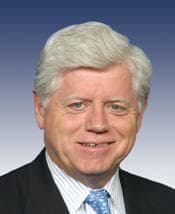
- John Larson
- Cosponsors
- - 15 - 0
- Introduced
- In Committee
What this bill would do
The "Don't Settle for Corruption Act" amends title 28 of the United States Code to change how certain compromise settlements are paid. It specifically addresses "covered settlements," which are compromise settlements involving suits by a President or former President against the United States, its agencies, or its officials. For these specific settlements, the Attorney General must report the terms to both Houses of Congress. A covered settlement is not considered approved unless Congress enacts a joint resolution approving it within 60 days of receiving the report.
Yes· 3 of 4
Does this make what the government does easier for the public to see?+5
Requires the Attorney General to report settlement terms of presidents to Congress.
Does this make the government pay for what it commits to?+2
Increases oversight on large settlements involving the executive branch.
Does this reduce what the federal government owes?+1
Adds congressional hurdles to payouts for presidential settlements, potentially reducing government expenditures.
The opposite
Would people with substantial wealth be better off under this?-2
Makes it more difficult for former presidents to receive settlement payments from the government.
Would the very wealthiest people be better off under this?-2
Increases congressional scrutiny on high-value settlements for former presidents.
Would billionaires be better off under this?-2
Restricts the ease of payout for presidential legal settlements.
Who it would affect, and how
Potential Positive Impacts for People
-
Congressional Oversight of Presidential Settlements: Section 2(e) and 2(f) require a joint resolution of Congress to approve "covered settlements." This ensures that settlements involving a President or former President are reviewed by elected representatives before being finalized.
-
Transparency of Terms: Section 2(d) requires the Attorney General to expeditiously submit a report of the terms of a covered settlement to both Houses of Congress. This provides a formal record of the terms being proposed.
Potential Negative Impacts for People
- Delayed Payments: Section 2(e) states that no covered settlement is approved unless a resolution is enacted within 60 days. This requirement for congressional action could potentially delay the finalization and payment of settlements for those involved in covered suits.
Groups and Interests Ranking
Every group the model scored this bill for, from -10 to +10. Hover a score for the reason it gave.
- Demographic And Interest Groups
- Good For Billionaires-2Good For High Net Worth Individuals-2Good For Ultra High Net Worth Individuals-2
- Governance And Ideology
- Improves Government Transparency+5
- Economy And Finance
- Improves Fiscal Responsibility+2Reduces Government Spending+1Reduces National Debt+1
- 6/18/2026
- Referred to the House Committee on the Judiciary.
- 15 Cosponsors added.
- Introduced in House
 André Carson
Democrat · Indiana
 Judy Chu
Democrat · California
 Gilbert Cisneros
Democrat · California
 Danny Davis
Democrat · Illinois
 Jimmy Gomez
Democrat · California
 Sara Jacobs
Democrat · California
 Jonathan Jackson
Democrat · Illinois
 Ro Khanna
Democrat · California
 Sydney Kamlager-Dove
Democrat · California
 Sam Liccardo
Democrat · California
 Eleanor Norton
Democrat · District of Columbia
 Mark Pocan
Democrat · Wisconsin
 Jimmy Panetta
Democrat · California
 Mike Thompson
Democrat · California
 Bonnie Watson Coleman
Democrat · New Jersey