Bill · H.R. 9349· House(119-HR-9349)
Voting Systems Protection Act
- Introduced
- 6/18/2026
- Last activity
- 6/18/2026 — Referred to the Committee on House Administration, and in addition to the Committee on the Judiciary, for a period to be subsequently determined by the Speaker, in each case for consideration of such provisions as fall within the jurisdiction of the committee concerned.
- Sponsored by
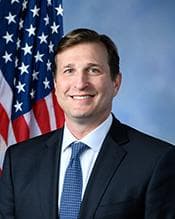
- Daniel Goldman
- Cosponsors
- - 9 - 0
- Introduced
- In Committee
What this bill would do
The Voting Systems Protection Act aims to protect the integrity of elections by regulating how the Federal Government seizes election materials. It requires Federal agencies to obtain a warrant before seizing any voting machines, ballots, or related records. The bill mandates that State officials maintain continuous oversight and the right to observe the handling of such materials. It also establishes strict notification requirements for the government to follow before a seizure occurs. Furthermore, the Act prohibits most Federal seizures of election materials during a restricted period surrounding a Federal election. Finally, it creates criminal penalties and civil actions for the tampering or destruction of seized election materials by Federal officials.
Yes· 3 of 4
Does this protect the right to vote?+7
The bill protects the integrity of voting systems by requiring warrants for seizures and establishing strict oversight and penalties for tampering.
Does this make what the government does easier for the public to see?+6
The bill mandates specific written notifications to State officials and Congressional committees prior to any Federal seizure of election materials.
Does this make casting a ballot easier in practice?+5
By limiting the seizure of election materials during critical periods, the bill helps ensure that the administration of elections remains uninterrupted.
The opposite
Does this reduce what the federal government spends?-2
The bill mandates that Federal agencies bear the reasonable costs associated with State official travel and access during oversight.
Who it would affect, and how
Potential Positive Impacts for People
-
State Oversight of Seized Materials: The bill requires the Federal Government to allow a designated State official to maintain continuous oversight of the handling, transport, and storage of seized items like voting machines and ballots (Section 2). This ensures that State officials can monitor the chain of custody for essential election tools.
-
Warrant Requirement: A Federal agency cannot seize election materials without a warrant issued by a court (Section 2). This provides a layer of judicial review before the Federal Government can take control of election equipment or records.
-
Criminal Penalties for Tampering: The Act makes it unlawful for Federal officials to tamper with, damage, or destroy seized election materials (Section 3). It establishes penalties including fines, imprisonment, and permanent disqualification from Federal employment to deter such actions.
-
Advance Notification: Federal agencies must provide written notification to State officials at least 48 hours before a seizure (Section 4). This allows State officials to be prepared for the upcoming action.
-
Protection During Election Cycles: The bill creates a "restricted period" where Federal agencies are generally prohibited from seizing election materials (Section 5). This period begins 120 days before and ends 120 days after a Federal election, protecting election materials during the most critical times.
-
Civil Action Rights: States that suffer harm due to the tampering or destruction of election materials by Federal officials may bring a civil action in court for damages (Section 3).
Potential Negative Impacts for People
-
Restrictions on Federal Investigations: The bill creates a general prohibition on the seizure of election materials during the 240-day "restricted period" surrounding a Federal election (Section 5). While there are exceptions for imminent harm, this could limit the ability of Federal agencies to act quickly in certain situations.
-
Costs for Federal Agencies: Federal agencies are required to bear the reasonable costs associated with a State official's travel and access during oversight (Section 2). This places a financial obligation on the Federal Government to facilitate State oversight.
-
Strict Requirements for Emergency Seizures: In cases of exigent circumstances where advance notification is not possible, the Federal agency must provide a detailed written explanation of the emergency and notify recipients as soon as practicable (Section s 4). This adds administrative requirements to emergency actions.
Groups and Interests Ranking
Every group the model scored this bill for, from -10 to +10. Hover a score for the reason it gave.
- Social Issues And Justice
- Improves Voting Rights+7Improves Voting Access+5
- Governance And Ideology
- Improves Government Transparency+6
- Demographic And Interest Groups
- Good For Urban Residents+3
- Economy And Finance
- Reduces Government Spending-2
- 7/21/2026
- 1 Cosponsor added.
- 6/24/2026
- 1 Cosponsor added.
- 6/18/2026
- Referred to the Committee on House Administration, and in addition to the Committee on the Judiciary, for a period to be subsequently determined by the Speaker, in each case for consideration of such provisions as fall within the jurisdiction of the committee concerned.
- 7 Cosponsors added.
- Introduced in House
 Yassamin Ansari
Democrat · Arizona
 Christopher Deluzio
Democrat · Pennsylvania
 Al Green
Democrat · Texas
 Josh Gottheimer
Democrat · New Jersey
 Henry Johnson
Democrat · Georgia
 Raja Krishnamoorthi
Democrat · Illinois
 Seth Moulton
Democrat · Massachusetts
 Eleanor Norton
Democrat · District of Columbia
 Eugene Vindman
Democrat · Virginia