Bill · H.R. 9255· House(119-HR-9255)
Timeshare Transparency Act
- Introduced
- 6/10/2026
- Last activity
- 6/10/2026 — Referred to the House Committee on Energy and Commerce.
- Sponsored by
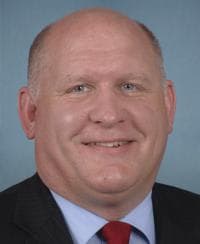
- Glenn Thompson
- Cosponsors
- - 3 - 6
- Introduced
- In Committee
What this bill would do
The bill is known as the Timeshare Transparency Act. It sets up new rules for how timeshares are sold to make the process more transparent for everyday people. Under this bill, timeshare companies must include all costs, fee change rules, and ways to end ownership in a single document. Buyers must also be given a 14-day window to cancel the agreement without any penalty. The Federal Trade Commission will enforce these new rules. Finally, states are allowed to keep or create even stronger consumer protections if they choose.
Yes
Does this give people more protection from unfair business practices?+5
The bill significantly enhances consumer protection by requiring transparency in timeshare costs and providing a right to cancel.
Does this give the federal government more power?+3
The bill expands the FTC's enforcement authority over the timeshare industry.
The opposite
Would business owners be better off under this?-3
Timeshare companies face increased regulatory compliance and more flexible cancellation rights.
Who it would affect, and how
Potential Positive Impacts for People
-
Section 2(a)(1)(A): This part requires all costs needed to buy and keep the timeshare, including ongoing fees, to be listed out in a single document. This helps people see the true financial picture before signing up for anything.
-
Section 2(a)(1)(C): This provision requires a specific list of every option available to end the ownership of the timeshare. It is a positive step because it ensures buyers know how they can get out of the arrangement later on.
-
Section 2(a)(1)(D): This gives buyers the right to cancel the agreement without penalty during the first 14 days. This protects everyday folks from feeling rushed into a permanent financial trap.
-
Section 2(a)(2): This gives individuals the chance to review all agreement documents free from the supervision of a company employee. This stops high-pressure sales tactics while people are trying to read the fine print.
-
Section 2(d): This rule of construction allows states to put even stronger protections in place for consumers. It is good for the people because local states can step up if federal rules are not enough.
Potential Negative Impacts for People
Based strictly on the provided text, there are no specific sections or provisions identified that create negative consequences or burdens for individuals or groups of people in the United States.
Groups and Interests Ranking
Every group the model scored this bill for, from -10 to +10. Hover a score for the reason it gave.
- Economy And Finance
- Improves Consumer Protection+5
- Demographic And Interest Groups
- Good For Business Owners-3
- Governance And Ideology
- Increases Federal Power+3
- 10/1/2026
- 1 Cosponsor added.
- 9/28/2026
- 1 Cosponsor added.
- 9/24/2026
- 1 Cosponsor added.
- 8/31/2026
- 2 Cosponsors added.
- 6/25/2026
- 1 Cosponsor added.
- 6/23/2026
- 2 Cosponsors added.
- 6/10/2026
- Referred to the House Committee on Energy and Commerce.
- 1 Cosponsor added.
- Introduced in House
One bill Congress.gov lists as related to this one — companions in the other chamber, earlier versions, and bills this one absorbed or was folded into.
 Julia Brownley
Democrat · California
 Janelle Bynum
Democrat · Oregon
 Kathy Castor
Democrat · Florida
 Jennifer Kiggans
Republican · Virginia
 Kevin Mullin
Democrat · California
 Eleanor Norton
Democrat · District of Columbia
 John Rose
Republican · Tennessee
 Paul Tonko
Democrat · New York
 Jefferson Van Drew
Republican · New Jersey