Bill · H.R. 9124· House(119-HR-9124)
Know Your Rights Act
- Introduced
- 6/3/2026
- Last activity
- 6/3/2026 — Referred to the House Committee on the Judiciary.
- Sponsored by
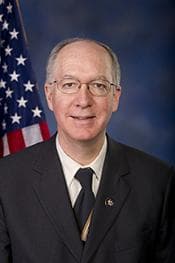
- Bill Foster
- Cosponsors
- - 9 - 0
- Introduced
- In Committee
What this bill would do
This bill is called the Know Your Rights Act. It requires the Attorney General to set up an Office of Legal Access Programs within the Executive Office for Immigration Review. The main job of this new office is to create legal orientation programs that educate noncitizens about their legal rights and administrative procedures under U.S. immigration law. The Attorney General must submit a plan to Congress within 180 days and roll out these programs for all detained persons within one year. Additionally, the Secretary of Homeland Security must work with the Attorney General to make sure these programs are available to noncitizens within five days of entering custody.
Yes· 3 of 11
Would immigrants be better off under this?+6
The bill directly aids detained noncitizens by offering legal orientation programs, multi-language notices, and early access to rights information.
Does this make it easier for immigrants already here to become citizens?+5
By establishing the Office of Legal Access Programs, the bill helps noncitizens better understand their legal rights and eligibility for relief from removal.
Would children be better off under this?+4
The bill explicitly mandates the identification of unaccompanied noncitizen children for special consideration and legal support.
The opposite
No question was scored the opposite.
Who it would affect, and how
Potential Positive Impacts for People
-
Section 2(a): This section creates the Office of Legal Access Programs to help make immigration proceedings more efficient and cost-effective by educating noncitizens on their legal rights and administrative procedures. This is positive because it helps detained individuals better understand the legal system they are facing.
-
Section 2(b)(2): This provision requires that programs and written notices of rights are available in English and the five most common native languages spoken by detained persons at each location. This is a helpful step for ensuring people can actually read and understand their rights in their native language.
-
Section 2(b)(3): This part directs the programs to identify unaccompanied noncitizen children, noncitizens with serious mental disabilities, and other vulnerable noncitizens for special consideration. This is a positive measure to spot vulnerable individuals in the system.
-
Section 2(c): This section ensures that noncitizens in or released from custody have access to legal orientation programs within 5 days of arrival into custody. This is beneficial because it gives detained people timely information regarding hearing procedures, their rights, potential legal resources, and warnings against filing frivolous claims.
Potential Negative Impacts for People
- Section 2(d): This section explicitly states that nothing in the subsection creates any substantive or procedural right or benefit that is legally enforceable by any party against the United States, its agencies, officers, or any other person. This could be seen as a negative drawback for the people because it means detained individuals cannot take the government to court to enforce these promised legal orientation services if the government fails to provide them.
Groups and Interests Ranking
Every group the model scored this bill for, from -10 to +10. Hover a score for the reason it gave.
- Demographic And Interest Groups
- Good For Immigrants+6Good For Children+4Good For Hispanic Americans+4Good For People With Disabilities+3Good For Low Income Households+2
- Social Issues And Justice
- Improves Pathway To Citizenship+5Improves Disability Rights+3Improves Racial Equity+2
- Governance And Ideology
- Improves Due Process+4Improves Government Transparency+3Increases Federal Power+2
- 6/29/2026
- 1 Cosponsor added.
- 6/8/2026
- 1 Cosponsor added.
- 6/3/2026
- Referred to the House Committee on the Judiciary.
- 7 Cosponsors added.
- Introduced in House
2 bills Congress.gov lists as related to this one — companions in the other chamber, earlier versions, and bills this one absorbed or was folded into.
 Jesús García
Democrat · Illinois
 Henry Johnson
Democrat · Georgia
 James McGovern
Democrat · Massachusetts
 Jerrold Nadler
Democrat · New York
 Eleanor Norton
Democrat · District of Columbia
 Ilhan Omar
Democrat · Minnesota
 Mike Quigley
Democrat · Illinois
 Delia Ramirez
Democrat · Illinois
 Bonnie Watson Coleman
Democrat · New Jersey