Bill · H.R. 912· House(119-HR-912)
9–8–8 Lifeline Cybersecurity Responsibility Act
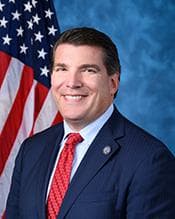
- Introduced
- 2/4/2025
- Last activity
- 2/4/2025 — Referred to the House Committee on Energy and Commerce.
- Sponsored by
- Jay Obernolte
- Cosponsors
- - 0 - 3
- Introduced
- In Committee
What this bill would do
This bill is known as the 9-8-8 Lifeline Cybersecurity Responsibility Act. It amends the Public Health Service Act to better protect the suicide prevention lifeline from cybersecurity incidents. The legislation requires the lifeline program to take necessary steps to eliminate known cybersecurity vulnerabilities. It establishes reporting rules so that local centers and the network administrator must report vulnerabilities and incidents to the Assistant Secretary while protecting personal privacy. The bill also clarifies technology oversight for local centers and the network administrator. Finally, it orders the Comptroller General to complete a study evaluating cybersecurity risks and vulnerabilities within 180 days of enactment and report the findings to specific congressional committees.
Yes· 3 of 28
Does this make mental health care easier to get?+8
The bill enhances cybersecurity and reliability for the 9-8-8 suicide prevention lifeline, protecting critical mental health services.
Would people in their twenties and thirties be better off under this?+7
Young adults experience high utilization rates of the 9-8-8 lifeline and benefit directly from its improved cybersecurity.
Does this better protect the country from computer attacks?+7
The bill establishes robust cybersecurity requirements and reporting mechanisms specifically for the 9-8-8 lifeline network.
The opposite
No question was scored the opposite.
Who it would affect, and how
Potential Positive Impacts for People
-
Section 2(a) requires taking necessary steps to ensure the suicide prevention hotline is protected from cybersecurity incidents and eliminates known cybersecurity vulnerabilities. This is positive because it helps keep the lifeline secure for individuals seeking help.
-
Section 2(b) establishes cybersecurity reporting requirements where the network administrator and local or regional crisis centers must report vulnerabilities and incidents in a manner that protects personal privacy. This is positive because it ensures issues are reported while keeping personal information protected under applicable laws.
-
Section 2(c) requires the Comptroller General to conduct a study evaluating cybersecurity risks and vulnerabilities associated with the lifeline and submit a report to Congress within 180 days. This is positive because it brings accountability and transparency regarding the safety of the system.
Potential Negative Impacts for People
- There are no explicit negative impacts or burdens for individuals or groups of people mentioned in the provided text.
Groups and Interests Ranking
Every group the model scored this bill for, from -10 to +10. Hover a score for the reason it gave.
- Demographic And Interest Groups
- Good For Young Adults+7Good For Children+6Good For L G B T Q Community+6Good For Students+6Good For Low Income Households+5Good For Middle Aged+5Good For People With Disabilities+5Good For Seniors+5Good For Veterans+5Good For African Americans+4Good For Asian Americans+4Good For Hispanic Americans+4Good For Immigrants+4Good For Men+4Good For Middle Class Households+4Good For Native Americans+4Good For Retirees+4Good For Rural Residents+4Good For Urban Residents+4Good For White Americans+4Good For Women+4
- Healthcare
- Improves Mental Health Access+8Improves Healthcare Access+6
- Governance And Ideology
- Improves Government Transparency+6Improves Privacy Rights+5Increases Federal Power+2
- National Security And Foreign Policy
- Improves Cybersecurity Defense+7
- Education And Technology
- Improves Data Privacy+6
- 8/15/2025
- 1 Cosponsor added.
- 5/20/2025
- 1 Cosponsor added.
- 2/4/2025
- Referred to the House Committee on Energy and Commerce.
- 1 Cosponsor added.
- Introduced in House
5 bills Congress.gov lists as related to this one — companions in the other chamber, earlier versions, and bills this one absorbed or was folded into.
- 119-HR-1768: Lower Costs for Everyday Americans Act
- 119-HR-2483: SUPPORT for Patients and Communities Reauthorization Act of 2025
- 119-S-891: Bipartisan Health Care Act
- 119-S-1007: 9–8–8 Lifeline Cybersecurity Responsibility Act
- 119-S-2121: SUPPORT for Patients and Communities Reauthorization Act of 2025
 Debbie Dingell
Democrat · Michigan
 Ted Lieu
Democrat · California
 Eugene Vindman
Democrat · Virginia