Bill · H.R. 9098· House(119-HR-9098)
Congressional Records Protection Act of 2026
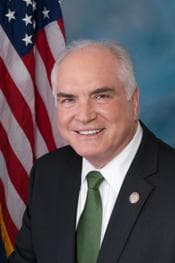
- Introduced
- 6/2/2026
- Last activity
- 9/8/2026 — Placed on the Union Calendar, Calendar No. 704.
- Sponsored by
- Mike Kelly
- Cosponsors
- - 6 - 0
- Introduced
- On Calendar
What this bill would do
This bill is known as the Congressional Records Protection Act of 2026. It generally stops government entities from seeking or obtaining search warrants, subpoenas, or court orders for the records of Members of Congress or congressional employees. The bill includes exceptions if the official or employee is the target of a criminal investigation. It requires the government to notify the official or employee when their records are targeted. The bill also establishes a 30-day delay on reviewing gathered materials and requires a special master to review certain communications for constitutional privileges.
Yes· 3 of 4
Does this protect people from being watched or searched?+6
The bill strengthens the privacy of official communications for members of Congress through notification and oversight requirements.
Does this make what the government does easier for the public to see?+5
The bill increases transparency by requiring notification when government entities seek sensitive congressional records.
Does this give people more control over their personal data?+5
The bill enhances privacy by restricting how the government accesses sensitive official communications of members of Congress.
The opposite
Does this give the government more power to monitor people inside the country?-5
The bill imposes restrictions on governmental access to records, which serves to limit domestic surveillance of congressional officials.
Does this give the federal government more power?-4
By limiting federal agency access to congressional records, the bill reduces the relative power of the executive branch over the legislative branch.
Who it would affect, and how
Potential Positive Impacts for People
-
Notification Requirements: Under Section 2(b)(1), a governmental entity must notify a Member of Congress or congressional employee before, during, or immediately after executing an order that returns covered materials. This ensures transparency so that elected officials and their staff know when the government is accessing their information.
-
Review Delays: Under Section 2(b)(2), the government must generally wait 30 days after giving notice before reviewing materials that contain covered records. This gives individuals time to understand and address government actions involving their official records.
-
Special Master Review: Under Section 2(b)(3), a court must appoint a special master to isolate and review certain communications to identify information protected by the Constitution. This provides an independent check to ensure that constitutional protections are respected during record reviews.
Potential Negative Impacts for People
- Criminal Investigation Exceptions: Under Section 2(a)(2), the prohibition on obtaining records does not apply if the Member of Congress or congressional employee is the target of a criminal investigation. Additionally, courts can delay the required notice for up to 10 days under Section 2(b)(1)(B) if providing notice would endanger life, cause flight from prosecution, result in the destruction of evidence, intimidate witnesses, or jeopardize an investigation. This could create complex legal hurdles for law enforcement trying to investigate wrongdoing by elected officials.
Groups and Interests Ranking
Every group the model scored this bill for, from -10 to +10. Hover a score for the reason it gave.
- Governance And Ideology
- Improves Privacy Rights+6Improves Government Transparency+5Improves Due Process+4Increases Federal Power-4
- Education And Technology
- Improves Data Privacy+5
- National Security And Foreign Policy
- Increases Domestic Surveillance-5
- 9/8/2026
- Reported (Amended) by the Committee on Judiciary. H. Rept. 119-805.
- Placed on the Union Calendar, Calendar No. 704.
- 7/15/2026
- Committee Consideration and Mark-up Session Held
- Ordered to be Reported (Amended) by the Yeas and Nays: 22 - 1.
- 6/2/2026
- Referred to the House Committee on the Judiciary.
- 6 Cosponsors added.
- Introduced in House
 Russell Fry
Republican · South Carolina
 Lance Gooden
Republican · Texas
 Wesley Hunt
Republican · Texas
 Harriet Hageman
Republican · Wyoming
 Jim Jordan
Republican · Ohio
 Robert Onder
Republican · Missouri