Bill · H.R. 908· House(119-HR-908)
Stop the Censorship Act
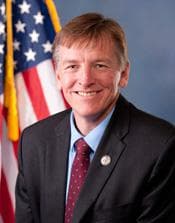
- Introduced
- 2/4/2025
- Last activity
- 2/4/2025 — Referred to the House Committee on Energy and Commerce.
- Sponsored by
- Paul Gosar
- Cosponsors
- - 10 - 0
- Introduced
- In Committee
What this bill would do
This bill, known as the "Stop the Censorship Act," aims to amend section 230 of the Communications Act of 1934. The primary goal of the legislation is to stop censorship. It proposes changes to the heading and specific paragraphs of section 230(c). Specifically, it seeks to change how providers can moderate material. The bill replaces the ability to restrict "objectionable" content with a focus on "unlawful" material.
Yes
Does this protect the individual right to speak freely?+6
The act aims to stop censorship by limiting the scope of content moderation to only unlawful material.
Does this protect what people are allowed to say in public life?+5
The bill expands free speech by restricting the ability of platforms to moderate material based on subjective standards like being 'objectionable'.
Does this put more rules on large technology companies?+4
The bill increases regulation on tech providers by restricting their traditional authority to moderate content deemed objectionable.
The opposite
Does this give people more protection from unfair business practices?-3
The bill limits the ability of platforms to moderate material that is not strictly unlawful, which may reduce consumer protections against harmful content.
Does this give people more control over their personal data?-2
By restricting user options to filter material, the bill may reduce individual control over their digital environment and privacy.
Would people in cities be better off under this?-1
Restricting content moderation may lead to higher exposure to objectionable material in digital community spaces.
Who it would affect, and how
Potential Positive Impacts for People
-
Removal of broad moderation powers: By striking the ability to moderate material that a provider considers "obscene, lewd, lascivious, filthy, excessively violent, harassing, or otherwise objectionable," the bill targets the current standard for content removal. This change is found in Section 2 of the bill (amending Section 230(c)(2)(A)(i)).
-
Restricting access options: The bill adds a new subparagraph that would impact actions taken to provide users with options to restrict access to material. This is found in Section 2 of the bill (adding subparagraph (C) to Section 230(c)(2)).
Potential Negative Impacts for People
-
Reduction in content moderation scope: The amendment changes the criteria for material providers can moderate from "objectionable" content to strictly "unlawful material." This change is found in Section 2 of the bill (amending Section 230(c)(2)(A)(i)).
-
Impact on user control features: The bill adds a provision that would affect any action taken to provide users with the option to restrict access to any other material, whether or not it is constitutionally protected. This is found in Section 2 of the bill (adding subparagraph (C) to Section 230(c)(2)).
Groups and Interests Ranking
Every group the model scored this bill for, from -10 to +10. Hover a score for the reason it gave.
- Governance And Ideology
- Improves Freedom Of Speech+6
- Social Issues And Justice
- Improves Freedom Of Speech+5
- Economy And Finance
- Improves Consumer Protection-3
- Education And Technology
- Increases Big Tech Regulation+4Improves Data Privacy-2
- Demographic And Interest Groups
- Good For Urban Residents-1
- 10/17/2025
- 1 Cosponsor added.
- 2/24/2025
- 1 Cosponsor added.
- 2/4/2025
- Referred to the House Committee on Energy and Commerce.
- 8 Cosponsors added.
- Introduced in House
 Lauren Boebert
Republican · Colorado
 Andy Biggs
Republican · Arizona
 Mike Collins
Republican · Georgia
 Harriet Hageman
Republican · Wyoming
 Mary Miller
Republican · Illinois
 Troy Nehls
Republican · Texas
 Ralph Norman
Republican · South Carolina
 Burgess Owens
Republican · Utah
 W. Steube
Republican · Florida
 Thomas Tiffany
Republican · Wisconsin