Bill · H.R. 9035· House(119-HR-9035)
Ending Fossil Fuel Bailouts Act of 2026
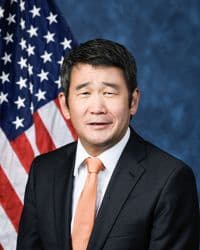
- Introduced
- 5/26/2026
- Last activity
- 5/26/2026 — Referred to the Committee on the Judiciary, and in addition to the Committee on Natural Resources, for a period to be subsequently determined by the Speaker, in each case for consideration of such provisions as fall within the jurisdiction of the committee concerned.
- Sponsored by
- Dave Min
- Cosponsors
- - 17 - 0
- Introduced
- In Committee
What this bill would do
This bill is known as the Ending Fossil Fuel Bailouts Act of 2026. It changes bankruptcy laws for oil, gas, and coal companies to make sure they clean up their messes. Under the bill, these companies must use their money to pay for environmental cleanup before paying off many other debts. It also stops these companies from walking away from their polluted sites and dirty equipment. If a company goes broke and cannot pay for the cleanup, certain parent companies, private equity firms, and hedge funds can be held responsible. Finally, the bill gives the courts power to look back at executive pay and risky financial moves made up to ten years before the bankruptcy filing.
Yes· 3 of 4
Does this better protect air, water and wildlife?+8
The bill mandates environmental cleanup and prevents fossil fuel companies from abandoning polluted sites.
Does this better protect public land such as parks and forests?+7
The bill ensures that public lands used for fossil fuel operations are properly cleaned up and not abandoned.
Would union members be better off under this?+7
The bill gives top priority to unpaid wages, salaries, and benefits for regular employees during a bankruptcy.
The opposite· 3 of 4
Would business owners be better off under this?-6
The bill imposes strict liability and higher cleanup and financial burdens on fossil fuel companies and their equity backers.
Would people with substantial wealth be better off under this?-5
Private equity firms, hedge funds, and parent companies are held strictly liable for unpaid environmental and wage claims.
Would the very wealthiest people be better off under this?-5
Wealthy investors and executives face strict liability and the recovery of past executive compensation in bankruptcies.
Who it would affect, and how
Potential Positive Impacts for People
-
Protection of Worker Wages: Section 3(b) gives top priority to the unpaid wages, salaries, commissions, and benefits of regular employees over other claims when a fossil fuel company files for bankruptcy. This is a positive step because it ensures working people get paid what they earned before executive bonuses or other debts are settled.
-
Mandatory Environmental Cleanup: Section 3(a) and Section 3(b) require trustees to treat all accumulated and projected environmental reclamation costs as necessary expenses that must be paid using the company's secured property. This benefits the public by forcing bankrupt companies to pay for the complete cleanup of their operations and the retirement of their assets.
-
Accountability for Wealthy Investors: Section 3(f) holds parent companies, private equity firms, and hedge funds strictly liable under joint and several liability rules if a bankrupt fossil fuel company lacks enough funds to cover employee wages and environmental cleanup costs. This is a positive measure for taxpayers because it stops wealthy backers from walking away scot-free while leaving the public to foot the cleanup bill.
-
Stopping Abandoned Polluted Sites: Section 5 adds a new rule stating that no property of the estate may be abandoned if it was or may be used for fossil fuel operations. This protects communities by preventing bankrupt companies from leaving behind dangerous, unwanted industrial sites.
-
Potential Negative Impacts for People
-
Increased Financial Risk for Lenders and Investors: Section 3(a) and Section 3(b) place environmental cleanup costs above other secured and unsecured claims, and Section 3(f) holds parent companies, private equity firms, and hedge funds strictly liable for these costs. While good for cleanup, these provisions might make it much harder and more expensive for energy companies to secure loans or investments, which could indirectly impact energy markets.
- Restrictions on Lease Transfers: Section 7 prohibits a leaseholder from transferring certain oil, gas, or coal leases to another person if the lessee has filed for bankruptcy. This could create roadblocks in the bankruptcy process by stopping standard business restructuring and sales that might otherwise keep a company afloat.
Groups and Interests Ranking
Every group the model scored this bill for, from -10 to +10. Hover a score for the reason it gave.
- Environment Energy And Infrastructure
- Improves Environmental Protections+8Improves Public Land Management+7
- Demographic And Interest Groups
- Good For Union Workers+7Good For Rural Residents+5Good For Business Owners-6Good For Billionaires-5Good For High Net Worth Individuals-5Good For Ultra High Net Worth Individuals-5
- 8/10/2026
- 1 Cosponsor added.
- 7/21/2026
- 1 Cosponsor added.
- 7/15/2026
- 1 Cosponsor added.
- 7/13/2026
- 2 Cosponsors added.
- 6/25/2026
- 2 Cosponsors added.
- 6/10/2026
- 2 Cosponsors added.
- 6/2/2026
- 4 Cosponsors added.
- 5/26/2026
- Referred to the Committee on the Judiciary, and in addition to the Committee on Natural Resources, for a period to be subsequently determined by the Speaker, in each case for consideration of such provisions as fall within the jurisdiction of the committee concerned.
- 4 Cosponsors added.
- Introduced in House
 Yassamin Ansari
Democrat · Arizona
 Suzanne Bonamici
Democrat · Oregon
 Julia Brownley
Democrat · California
 André Carson
Democrat · Indiana
 Judy Chu
Democrat · California
 Salud Carbajal
Democrat · California
 Sean Casten
Democrat · Illinois
 Maxine Dexter
Democrat · Oregon
 Robert Garcia
Democrat · California
 Adelita Grijalva
Democrat · Arizona
 Jared Huffman
Democrat · California
 Zoe Lofgren
Democrat · California
 Ted Lieu
Democrat · California
 Mike Levin
Democrat · California
 Kevin Mullin
Democrat · California
 Rashida Tlaib
Democrat · Michigan
 Juan Vargas
Democrat · California