Bill · H.R. 903· House(119-HR-903)
Smoke and Heat Ready Communities Act of 2025
- Introduced
- 1/31/2025
- Last activity
- 1/31/2025 — Referred to the Committee on Energy and Commerce, and in addition to the Committee on Science, Space, and Technology, for a period to be subsequently determined by the Speaker, in each case for consideration of such provisions as fall within the jurisdiction of the committee concerned.
- Sponsored by
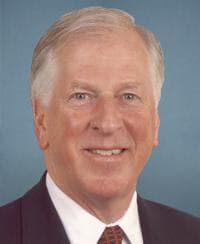
- Mike Thompson
- Cosponsors
- - 23 - 0
- Introduced
- In Committee
What this bill would do
The Smoke and Heat Ready Communities Act of 2025 seeks to amend the Clean Air Act to address the impacts of wildfire smoke and extreme heat. It establishes a grant program allowing the EPA Administrator to fund air pollution control agencies for various mitigation and preparation activities. The bill also mandates the creation of four "Centers of Excellence" at higher education institutions to conduct research on public health effects and community responses. Additionally, it creates a competitive grant program to help states, local governments, Indian Tribes, and Native Hawaiian organizations develop community plans. The goal is to improve monitoring, communication, and physical protections against environmental hazards.
Yes· 3 of 7
Does this put more money into scientific research?+6
The bill authorizes significant funding for research through the establishment of four Centers of Excellence.
Does this better protect air, water and wildlife?+5
The bill establishes a grant program to mitigate the health and environmental impacts of wildfire smoke and extreme heat.
Would Native Americans be better off under this?+4
The bill explicitly includes Indian Tribes and Native Hawaiian organizations as eligible entities for competitive grants.
The opposite
No question was scored the opposite.
Who it would affect, and how
Potential Positive Impacts for People
-
Improved Air Quality Protections: Air pollution control agencies can use grants to equip public buildings with air filtration systems to serve as cleaner air spaces during smoke or heat events (Section 3, subsection c, paragraph 4).
-
Access to Protective Equipment: The bill allows for the purchase and distribution of face masks, N-95 respirators, and portable air filtration systems to help people protect themselves (Section 3, subsection c, paragraph 5).
-
Support for Vulnerable Groups: The grant distribution formula considers the vulnerability of communities to wildfire smoke and extreme heat (Section 3, subsection d, paragraph 2).
-
Enhanced Public Information: Funding can be used for monitoring and communicating data regarding air quality conditions to the public (Section 3, subsection c, paragraph 1).
-
Targeted Research: The establishment of Centers of Excellence will research the health effects of smoke and extreme heat, specifically including the health of outdoor workers (Section 4, subsection a, paragraph 1).
-
Financial Assistance for Local Needs: Subgrants can be provided to private or public entities with demonstrated financial need for protective gear or weatherization measures (Section 3, subsection c, paragraph 6).
Potential Negative Impacts for People
- No negative impacts are explicitly mentioned in the provided text.
Groups and Interests Ranking
Every group the model scored this bill for, from -10 to +10. Hover a score for the reason it gave.
- Demographic And Interest Groups
- Good For Native Americans+4Good For Low Income Households+3Good For People With Disabilities+2
- Education And Technology
- Increases Scientific Research Funding+6
- Environment Energy And Infrastructure
- Improves Environmental Protections+5
- Healthcare
- Improves Healthcare Access+3
- Social Issues And Justice
- Improves Poverty Reduction+2
- 3/19/2026
- 1 Cosponsor added.
- 11/21/2025
- 1 Cosponsor added.
- 10/31/2025
- 1 Cosponsor added.
- 3/24/2025
- 1 Cosponsor added.
- 3/10/2025
- 1 Cosponsor added.
- 3/6/2025
- 2 Cosponsors added.
- 2/4/2025
- 3 Cosponsors added.
- 1/31/2025
- Referred to the Committee on Energy and Commerce, and in addition to the Committee on Science, Space, and Technology, for a period to be subsequently determined by the Speaker, in each case for consideration of such provisions as fall within the jurisdiction of the committee concerned.
- 13 Cosponsors added.
- Introduced in House
One bill Congress.gov lists as related to this one — companions in the other chamber, earlier versions, and bills this one absorbed or was folded into.
 Yassamin Ansari
Democrat · Arizona
 Suzanne Bonamici
Democrat · Oregon
 Julia Brownley
Democrat · California
 Nanette Barragán
Democrat · California
 Janelle Bynum
Democrat · Oregon
 Jim Costa
Democrat · California
 Judy Chu
Democrat · California
 Mark DeSaulnier
Democrat · California
 Maxine Dexter
Democrat · Oregon
 Robert Garcia
Democrat · California
 Val Hoyle
Democrat · Oregon
 Pramila Jayapal
Democrat · Washington
 Ro Khanna
Democrat · California
 Doris Matsui
Democrat · California
 Kevin Mullin
Democrat · California
 Eleanor Norton
Democrat · District of Columbia
 Joe Neguse
Democrat · Colorado
 Jimmy Panetta
Democrat · California
 Raul Ruiz
Democrat · California
 Kim Schrier
Democrat · Washington
 Dina Titus
Democrat · Nevada
 Maxine Waters
Democrat · California
 George Whitesides
Democrat · California