Bill · H.R. 8965· House(119-HR-8965)
SAFE for Survivors Act of 2026
- Introduced
- 5/21/2026
- Last activity
- 5/21/2026 — Referred to the Committee on Education and Workforce, and in addition to the Committees on Financial Services, Ways and Means, the Judiciary, House Administration, Oversight and Government Reform, and Energy and Commerce, for a period to be subsequently determined by the Speaker, in each case for consideration of such provisions as fall within the jurisdiction of the committee concerned.
- Sponsored by
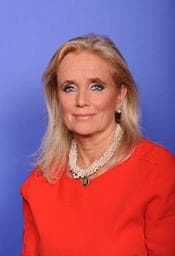
- Debbie Dingell
- Cosponsors
- - 4 - 0
- Introduced
- In Committee
What this bill would do
This legislation aims to promote the economic security and safety of survivors of domestic violence, dating violence, sexual assault, and stalking. It establishes rights for workers to take safe leave and request reasonable accommodations without facing workplace discrimination. The bill prevents insurance companies from discriminating against victims and ensures they can access unemployment benefits if they must leave their jobs due to abuse. Additionally, it reauthorizes grant programs for workplace responses and directs federal agencies to conduct public education and training programs.
Yes· 3 of 15
Would women be better off under this?+9
Women experience higher rates of domestic and sexual violence and will be the primary beneficiaries of these safety and employment protections.
Would households on low incomes be better off under this?+8
Low-income individuals facing domestic violence benefit significantly from paid safe leave and unemployment insurance access.
Does this narrow the gap between how men and women are treated?+8
The bill directly addresses gender-based violence, providing robust protections and resources primarily utilized by women.
The opposite
Would business owners be better off under this?-2
Business owners must comply with new leave mandates and accommodation requirements, which may increase administrative burdens.
Does this make it easier to run a small business?-2
Small businesses may face operational challenges and administrative costs related to managing extended safe leave and workplace accommodations.
Who it would affect, and how
Potential Positive Impacts for People
-
Paid and Unpaid Safe Leave: Under Section 201, employers must provide employees with at least 40 work days of safe leave per year to address issues related to violence, of which at least 10 work days must be paid. This gives people time to seek medical attention, legal assistance, counseling, or relocation without losing their livelihoods.
-
Employment Protections and Accommodations: Under Section 303, employers are prohibited from discriminating against survivors and are required to provide reasonable accommodations—such as schedule modifications, security measures, or transfers—unless it causes an undue hardship. This helps individuals maintain employment and safety while dealing with abuse.
-
Unemployment Compensation: Under Section 401, individuals who voluntarily leave their jobs due to being victims of a qualifying act of violence will not be denied unemployment compensation. This provision ensures financial support for those forced to leave unsafe work or living situations.
-
Insurance Protections: Under Section 502, insurance companies are explicitly prohibited from denying coverage, charging higher premiums, or terminating health policies just because someone is a victim of domestic or sexual violence. This protects survivors from financial penalties and the loss of health insurance.
Potential Negative Impacts for People
- Undue Hardship and Business Burdens: Under Section 302 and Section 303, while employers are required to provide reasonable accommodations, these requirements exclude situations that would impose an "undue hardship" on the business. Critics or small business owners might find that managing extended leave and workplace modifications creates operational challenges and financial costs.
Groups and Interests Ranking
Every group the model scored this bill for, from -10 to +10. Hover a score for the reason it gave.
- Demographic And Interest Groups
- Good For Women+9Good For Low Income Households+8Good For Young Adults+6Good For Children+5Good For Middle Aged+5Good For Middle Class Households+5Good For Business Owners-2
- Social Issues And Justice
- Improves Gender Equality+8Reduces Homelessness+7Improves Poverty Reduction+5
- Healthcare
- Improves Healthcare Access+7Improves Mental Health Access+6
- Governance And Ideology
- Improves Privacy Rights+7Increases Federal Power+3
- Economy And Finance
- Increases Unemployment Benefits+8Improves Economic Growth+3Improves Small Business Support-2
- 9/3/2026
- 1 Cosponsor added.
- 5/21/2026
- Referred to the Committee on Education and Workforce, and in addition to the Committees on Financial Services, Ways and Means, the Judiciary, House Administration, Oversight and Government Reform, and Energy and Commerce, for a period to be subsequently determined by the Speaker, in each case for consideration of such provisions as fall within the jurisdiction of the committee concerned.
- 3 Cosponsors added.
- Introduced in House
3 bills Congress.gov lists as related to this one — companions in the other chamber, earlier versions, and bills this one absorbed or was folded into.
 Gwen Moore
Democrat · Wisconsin
 Dave Min
Democrat · California
 Eleanor Norton
Democrat · District of Columbia
 Deborah Ross
Democrat · North Carolina