Bill · H.R. 8928· House(119-HR-8928)
Scratch Cooked Meals for Students Act
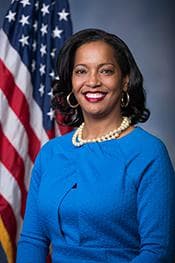
- Introduced
- 5/20/2026
- Last activity
- 5/20/2026 — Referred to the House Committee on Education and Workforce.
- Sponsored by
- Jahana Hayes
- Cosponsors
- - 10 - 1
- Introduced
- In Committee
What this bill would do
This bill is known as the Scratch Cooked Meals for Students Act. It requires the Secretary to establish a pilot program that awards competitive grants to school food authorities to promote scratch cooking. Scratch cooking means preparing food using unprocessed or minimally processed ingredients. These grants will last for a period of two school years. The bill gives the highest priority to school food authorities that serve a large proportion of students eligible for free or reduced price lunch. It also authorizes an appropriation of $20,000,000 for each of fiscal years 2027 through 2031 to carry out this subsection.
Yes· 3 of 11
Would children be better off under this?+6
The legislation provides healthier, scratch-cooked meals for students in participating school food authorities.
Would students be better off under this?+6
Students benefit from improved nutritional standards and freshly prepared meals in school cafeterias.
Would households on low incomes be better off under this?+5
Priority is given to schools serving high proportions of students eligible for free or reduced-price lunches.
The opposite
No question was scored the opposite.
Who it would affect, and how
Potential Positive Impacts for People
-
Section 2(a)(1)(A) creates a pilot program to award competitive grants to school food authorities to promote scratch cooking. This is positive because it helps schools prepare meals using unprocessed or minimally processed ingredients for students.
-
Section 2(a)(3)(B) allows grant funds to be used for purchasing cafeteria equipment or making infrastructure modifications necessary for scratch cooking. This is a good thing for schools that currently lack the proper facilities to cook meals from scratch.
-
Section 2(a)(3)(C) permits grant money to be used for employee compensation for additional food preparation necessary for scratch cooking. This benefits school food service workers by providing pay for the extra work required to make fresh meals.
-
Section 2(a)(4) gives the highest priority for these grants to school food authorities that serve the greatest proportion of students eligible for free or reduced price lunch. This ensures that the children who rely most on school meals get the benefits of this program.
Potential Negative Impacts for People
- The provided text does not contain any specific sections or provisions that outline potential negative consequences or burdens for individuals or groups of people in the United States.
Groups and Interests Ranking
Every group the model scored this bill for, from -10 to +10. Hover a score for the reason it gave.
- Demographic And Interest Groups
- Good For Children+6Good For Students+6Good For Low Income Households+5Good For Union Workers+3Good For Farmers+2Good For Middle Class Households+1
- Economy And Finance
- Improves Union Protections+3Increases Job Creation+2
- Education And Technology
- Increases Public School Funding+5
- Governance And Ideology
- Improves Government Transparency+2Increases Federal Power+1
- 10/1/2026
- 1 Cosponsor added.
- 7/6/2026
- 1 Cosponsor added.
- 6/10/2026
- 2 Cosponsors added.
- 5/29/2026
- 1 Cosponsor added.
- 5/21/2026
- 4 Cosponsors added.
- 5/20/2026
- Referred to the House Committee on Education and Workforce.
- 2 Cosponsors added.
- Introduced in House
 Alma Adams
Democrat · North Carolina
 Julia Brownley
Democrat · California
 Christopher Deluzio
Democrat · Pennsylvania
 Brian Fitzpatrick
Republican · Pennsylvania
 Adelita Grijalva
Democrat · Arizona
 Zoe Lofgren
Democrat · California
 Sarah McBride
Democrat · Delaware
 Eleanor Norton
Democrat · District of Columbia
 Chellie Pingree
Democrat · Maine
 Kim Schrier
Democrat · Washington
 Andrea Salinas
Democrat · Oregon