Bill · H.R. 8927· House(119-HR-8927)
Stop the Doxx Act
- Introduced
- 5/20/2026
- Last activity
- 5/20/2026 — Referred to the House Committee on the Judiciary.
- Sponsored by
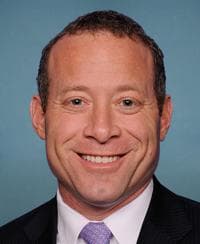
- Josh Gottheimer
- Cosponsors
- - 3 - 5
- Introduced
- In Committee
What this bill would do
The "Stop the Doxx Act" aims to amend title 18 of the United States Code to prohibit the doxxing of certain public servants. It specifically targets the publication of personal information like home addresses or telephone numbers with the intent to threaten, intimidate, or facilitate violence. The bill establishes criminal penalties including fines and imprisonment for these offenses. It also allows victims to bring civil actions for damages, injunctive relief, and attorney's fees. Additionally, the Act mandates the creation of a training program by the Attorney General to help these officials protect their personal information online.
Yes· 3 of 4
Does this protect people from being watched or searched?+7
The bill provides strong legal protections for the personal privacy and home addresses of public servants and their families.
Does this give people more control over their personal data?+6
The bill creates legal protections against the unauthorized publication of personal contact information to enhance individual privacy.
Would union members be better off under this?+5
The bill provides increased security and privacy protections for law enforcement and judicial officials, many of whom are part of organized labor.
The opposite
Does this make what the government does easier for the public to see?-3
The bill restricts the public availability of personal information for certain government officials through criminal penalties.
Who it would affect, and how
Potential Positive Impacts for People
-
Criminal Penalties for Targeted Harassment: Under Section 3(a), the bill establishes strict fines and prison sentences—ranging from up to 10 years for a first offense to up to 40 years if the offense results in death—for those who publish personal information of covered public servants with intent to threaten or intimidate. This addresses the findings in Section 2 that such conduct poses a threat to public safety and the integrity of the justice system.
-
Civil Recourse for Victims: According to Section 3(b), a covered public servant or their immediate family member can bring a civil action in a U.S. district court to seek damages, injunctive relief, and attorney's fees if they are victims of a violation.
-
Personal Information Security Training: Section 4 establishes a comprehensive training program provided by the Attorney General. This program is offered at no cost and is designed to teach Federal, State, and local law enforcement officers, prosecutors, and judges how to protect their personal information online.
Potential Negative Impacts for People
- Criminal Liability for Information Publication: Under Section 3(a), individuals who knowingly publish the home address, personal telephone number, or personal email address of a covered public servant or their immediate family with specific intent face significant prison time and fines.
Groups and Interests Ranking
Every group the model scored this bill for, from -10 to +10. Hover a score for the reason it gave.
- Education And Technology
- Improves Data Privacy+6
- Demographic And Interest Groups
- Good For Union Workers+5
- Social Issues And Justice
- Improves Policing Reform+5
- Governance And Ideology
- Improves Privacy Rights+7Improves Government Transparency-3
- 5/20/2026
- Referred to the House Committee on the Judiciary.
- 8 Cosponsors added.
- Introduced in House
 Don Bacon
Republican · Nebraska
 Donald Davis
Democrat · North Carolina
 Brian Fitzpatrick
Republican · Pennsylvania
 Laura Gillen
Democrat · New York
 Michael Lawler
Republican · New York
 Jared Moskowitz
Democrat · Florida
 John Rutherford
Republican · Florida
 Elise Stefanik
Republican · New York