Bill · H.R. 8821· House(119-HR-8821)
No Bailouts for Cashless Bail Jurisdictions Act
- Introduced
- 5/14/2026
- Last activity
- 5/14/2026 — Referred to the Committee on the Judiciary, and in addition to the Committee on Oversight and Government Reform, for a period to be subsequently determined by the Speaker, in each case for consideration of such provisions as fall within the jurisdiction of the committee concerned.
- Sponsored by
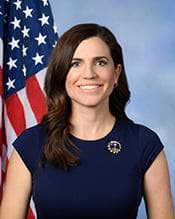
- Nancy Mace
- Cosponsors
- - 1 - 0
- Introduced
- In Committee
What this bill would do
The "No Bailouts for Cashless Bail Jurisdictions Act" seeks to stop the flow of Federal money to certain areas. It prohibits Federal funds from being given to any jurisdiction that the Attorney General decides has substantially eliminated cash bail for covered offenses. The Attorney General is required to make these determinations and provide explanations within 30 days of enactment and at least quarterly thereafter. To get funds back, a jurisdiction must wait either 180 days after a negative determination or until the Attorney General determines the cash bail policy has changed. Covered offenses include crimes like violence, sex offenses, burglary, and looting.
Yes
Does this make what the government does easier for the public to see?+4
The bill requires the Attorney General to publicly disclose determinations and explanations regarding bail policies every quarter.
The opposite· 3 of 4
Does this change how police departments operate?-5
The bill penalizes jurisdictions that implement bail reform, potentially hindering efforts to move away from cash-based systems.
Would households on low incomes be better off under this?-4
By targeting jurisdictions that eliminate cash bail, the bill may indirectly reduce support for local policies often aimed at helping low-income defendants.
Would people in cities be better off under this?-3
Jurisdictions most likely to implement cashless bail are often urban centers, which would face a loss of federal funding under this act.
Who it would affect, and how
Potential Positive Impacts for People
- Transparency in Government Oversight: The bill requires the Attorney General to make determinations and explanations publicly available at least quarterly, which provides public insight into how jurisdictions are being judged regarding bail policies. (Section 2(b))
Potential Negative Impacts for People
-
Loss of Federal Funding: Jurisdictions that substantially eliminate cash bail for covered offenses, such as crimes of violence, sex offenses, or burglary, may lose access to Federal funds. (Section 2(a))
-
Delayed Financial Recovery for Jurisdictions: Even if a jurisdiction changes its policy, it may have to wait at least 180 days after the initial determination before it can begin receiving Federal funds again. (Section 2(c)(1))
Groups and Interests Ranking
Every group the model scored this bill for, from -10 to +10. Hover a score for the reason it gave.
- Demographic And Interest Groups
- Good For Low Income Households-4Good For Urban Residents-3
- Social Issues And Justice
- Improves Policing Reform-5
- Governance And Ideology
- Improves Government Transparency+4
- Economy And Finance
- Reduces Government Spending-3
- 5/14/2026
- Referred to the Committee on the Judiciary, and in addition to the Committee on Oversight and Government Reform, for a period to be subsequently determined by the Speaker, in each case for consideration of such provisions as fall within the jurisdiction of the committee concerned.
- 1 Cosponsor added.
- Introduced in House
 Lauren Boebert
Republican · Colorado