Bill · H.R. 8792· House(119-HR-8792)
Multigenerational Caregiving Data Act
- Introduced
- 5/13/2026
- Last activity
- 5/13/2026 — Referred to the House Committee on Oversight and Government Reform.
- Sponsored by
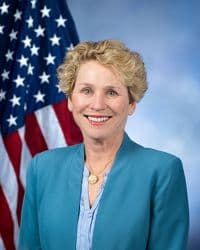
- Chrissy Houlahan
- Cosponsors
- - 1 - 2
- Introduced
- In Committee
What this bill would do
The Multigenerational Caregiving Data Act requires the collection of information regarding individuals providing unpaid care to multiple generations. Within three years of enactment, the Secretary of Commerce must ensure at least one major Federal population survey includes a question to identify these caregivers. This information covers those who provided care within the previous 12-month period. The Secretary has the flexibility to modify the question to ensure clarity and minimize burden. Before full implementation, the designated statistical agency must conduct cognitive and field testing. Finally, a report evaluating the implementation must be submitted to Congress and published on the Department of Commerce website.
Yes· 3 of 8
Does this make what the government does easier for the public to see?+2
The bill requires the Secretary to publish an implementation report on the Department of Commerce website.
Would children be better off under this?+1
The bill identifies the need to capture data on those caring for children to improve related policymaking.
Would people over 65 be better off under this?+1
The bill identifies the need to capture data on those caring for adults over 65 to improve related policymaking.
The opposite
No question was scored the opposite.
Who it would affect, and how
Potential Positive Impacts for People
-
Improved Policymaking: By collecting better data, the government can enhance policymaking related to caregiving, labor force participation, and health outcomes (Section 2).
-
Enhanced Data Accuracy: The Act requires cognitive and field testing of the survey question to ensure clarity and reliability (Section 3(c)).
-
Minimized Burden: The Secretary is granted flexibility to modify the question to minimize the burden placed on people responding to the survey (Section 3(b)).
Potential Negative Impacts for People
- Respondent Burden: While the Act aims to minimize it, the implementation of new questions in major Federal population surveys still carries a potential for respondent burden (Section 3(b)).
Groups and Interests Ranking
Every group the model scored this bill for, from -10 to +10. Hover a score for the reason it gave.
- Demographic And Interest Groups
- Good For Children+1Good For Low Income Households+1Good For Seniors+1Good For Women+1
- Governance And Ideology
- Improves Government Transparency+2
- Economy And Finance
- Improves Economic Growth+1
- Healthcare
- Improves Healthcare Access+1
- Social Issues And Justice
- Improves Poverty Reduction+1
- 5/13/2026
- Referred to the House Committee on Oversight and Government Reform.
- 3 Cosponsors added.
- Introduced in House
One bill Congress.gov lists as related to this one — companions in the other chamber, earlier versions, and bills this one absorbed or was folded into.
 Ro Khanna
Democrat · California
 Anna Paulina Luna
Republican · Florida
 Michael Turner
Republican · Ohio