Bill · H.R. 8731· House(119-HR-8731)
Federal Employee Short-Term Disability Insurance Act of 2026
- Introduced
- 5/11/2026
- Last activity
- 5/11/2026 — Referred to the House Committee on Oversight and Government Reform.
- Sponsored by
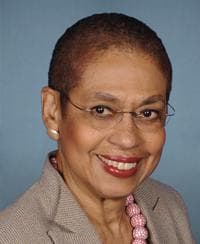
- Eleanor Norton
- Cosponsors
- None
- Introduced
- In Committee
What this bill would do
This bill establishes the "Federal Employee Short-Term Disability Insurance Act of 2026" to provide voluntary insurance for Federal employees. The program is designed to protect employees against pay loss resulting from non-work-related injuries or disabilities. It also covers leave taken to care for a family member, including for the birth of a child. Additionally, the coverage extends to those making arrangements to adopt a child or become a foster parent. The Office of Personnel Management will oversee the administration of this insurance program.
Yes· 3 of 7
Would middle-income households be better off under this?+4
The bill offers a voluntary way for federal employees to protect their income during short-term life transitions or injuries.
Would people in their twenties and thirties be better off under this?+3
The coverage includes benefits for the birth of a child and adoption/foster care arrangements.
Does this make child care cost less?+3
The insurance covers pay loss for employees making arrangements to adopt or become a foster parent.
The opposite
No question was scored the opposite.
Who it would affect, and how
Potential Positive Impacts for People
-
Financial protection for family needs: The bill offers protection against loss of pay for various life events, including caring for a family member, the birth of a child, or making arrangements to adopt or foster a child (Section 2).
-
Protection against preexisting conditions: Insurance contracts under this act cannot use preexisting conditions to charge higher premiums, deny coverage, or drop an employee's coverage (Section 3, 8804(b)(2)).
-
Flexible benefit timing: Employees can choose from different waiting period options to determine when their benefits begin, allowing them to manage their costs and coverage needs (Section 3, 8804(c)(2)(A)).
-
Support for returning to work: The insurance contracts are required to provide incentives for employees who are receiving benefits to return to their jobs (Section 3, 8804(b)(3)).
Potential Negative Impacts for People
-
Exclusions for specific behaviors: Insurance coverage is not available if an injury or disability is caused by the employee's willful misconduct, intentional self-inflicted harm, or intoxication (Section 3, 8802(b)).
-
Cost burden on employees: Each eligible individual is responsible for 100 percent of the premiums for their coverage (Section 3, 8805(a)).
-
Benefit limitations: Benefits are capped at a maximum of 12 months and are limited to 70 percent of the employee's annual rate of pay or the maximum rate of basic pay for grade GS-15, whichever is less (Section 3, 8804(c)(1)).
-
Potential for pay offsets: Benefits provided under this act will be offset by other benefits received for the same injury or disability, such as worker's compensation or disability retirement income (Section 3, 8804(b)(1)).
Groups and Interests Ranking
Every group the model scored this bill for, from -10 to +10. Hover a score for the reason it gave.
- Demographic And Interest Groups
- Good For Middle Class Households+4Good For Young Adults+3
- Social Issues And Justice
- Improves Childcare Affordability+3
- Economy And Finance
- Improves Union Protections+1Reduces Government Spending+1
- Healthcare
- Improves Healthcare Access+2
- Governance And Ideology
- Improves Privacy Rights+1
- 5/11/2026
- Sponsor introductory remarks on measure. (CR E423)
- Referred to the House Committee on Oversight and Government Reform.
- Introduced in House