Bill · H.R. 8728· House(119-HR-8728)
Feed Our Kids Act of 2026
- Introduced
- 5/11/2026
- Last activity
- 5/11/2026 — Referred to the House Committee on Education and Workforce.
- Sponsored by
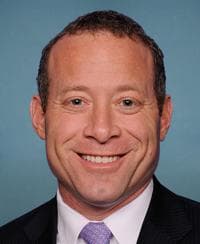
- Josh Gottheimer
- Cosponsors
- - 3 - 0
- Introduced
- In Committee
What this bill would do
The "Feed Our Kids Act of 2026" aims to amend existing laws to provide free breakfasts and lunches to all children enrolled in participating schools. It establishes national average payment rates for breakfasts and lunches, which are adjusted annually for inflation. The bill also includes provisions for additional payments to encourage the use of locally-sourced farm products. Furthermore, it prohibits schools from collecting unpaid meal debt or engaging in "breakfast/lunch shaming" practices. Finally, it mandates a reimbursement program to address existing delinquent meal debts.
Yes· 3 of 14
Would children be better off under this?+8
The bill ensures all children have access to free nutritional breakfasts and lunches without the threat of debt shaming.
Would students be better off under this?+8
Students gain guaranteed access to free meals and are protected from the social stigma of meal debt.
Would households on low incomes be better off under this?+7
The bill eliminates meal costs and debt collection for families, providing significant relief to low-income households.
The opposite
No question was scored the opposite.
Who it would affect, and how
Potential Positive Impacts for People
-
Universal Access to Meals: The bill amends the Child Nutrition Act of 1966 and the Richard B. Russell National School Lunch Act to provide free breakfasts and lunches to all children enrolled in participating schools (Section 101; Section 202).
-
Protection from Shaming: Schools and school food authorities are prohibited from physically segregating children for debt shaming or using tokens, tickets, or published lists to identify children participating in the program (Section 101; Section 202; Section 207).
-
Debt Relief for Schools and Families: Schools are prohibited from collecting debt owed for unpaid meal charges (Section 101; Section 202). Additionally, a program will be established to reimburse schools for existing delinquent meal debt (Section 211).
-
Support for Local Agriculture: School food authorities can receive additional payments if they serve meals made with locally-sourced farm products (Section 201).
-
Expanded Meal Availability: The bill updates the Summer Food Service Program and the Child and Adult Care Food Program to ensure all children are eligible to participate (Section 205; Section 206).
Potential Negative Impacts for People
- No negative impacts or burdens are explicitly stated in the provided text.
Groups and Interests Ranking
Every group the model scored this bill for, from -10 to +10. Hover a score for the reason it gave.
- Demographic And Interest Groups
- Good For Children+8Good For Students+8Good For Low Income Households+7Good For Farmers+5Good For Middle Class Households+3Good For Hispanic Americans+2Good For Women+2
- Social Issues And Justice
- Improves Poverty Reduction+5Improves Racial Equity+2
- Education And Technology
- Increases Public School Funding+6
- Economy And Finance
- Improves Small Business Support+3Improves Economic Growth+2
- Environment Energy And Infrastructure
- Improves Rural Development+3Improves Environmental Protections+1
- 5/29/2026
- 1 Cosponsor added.
- 5/11/2026
- Referred to the House Committee on Education and Workforce.
- 2 Cosponsors added.
- Introduced in House
One bill Congress.gov lists as related to this one — companions in the other chamber, earlier versions, and bills this one absorbed or was folded into.
 Eleanor Norton
Democrat · District of Columbia
 Brittany Pettersen
Democrat · Colorado
 Darren Soto
Democrat · Florida